
BAU study reveals parasite hotspot in Mymensingh
BAU Correspondent:
Researchers at Bangladesh Agricultural University’s (BAU) Department of Parasitology have made a concerning discovery: several intestinal parasites capable of causing serious illness in both humans and animals. Their recent study highlights growing public health risks and is expected to support future efforts in controlling and preventing disease outbreaks.
The study was led by Professor Dr. Md. Shahiduzzaman, with active participation from graduate student Beni Amin.
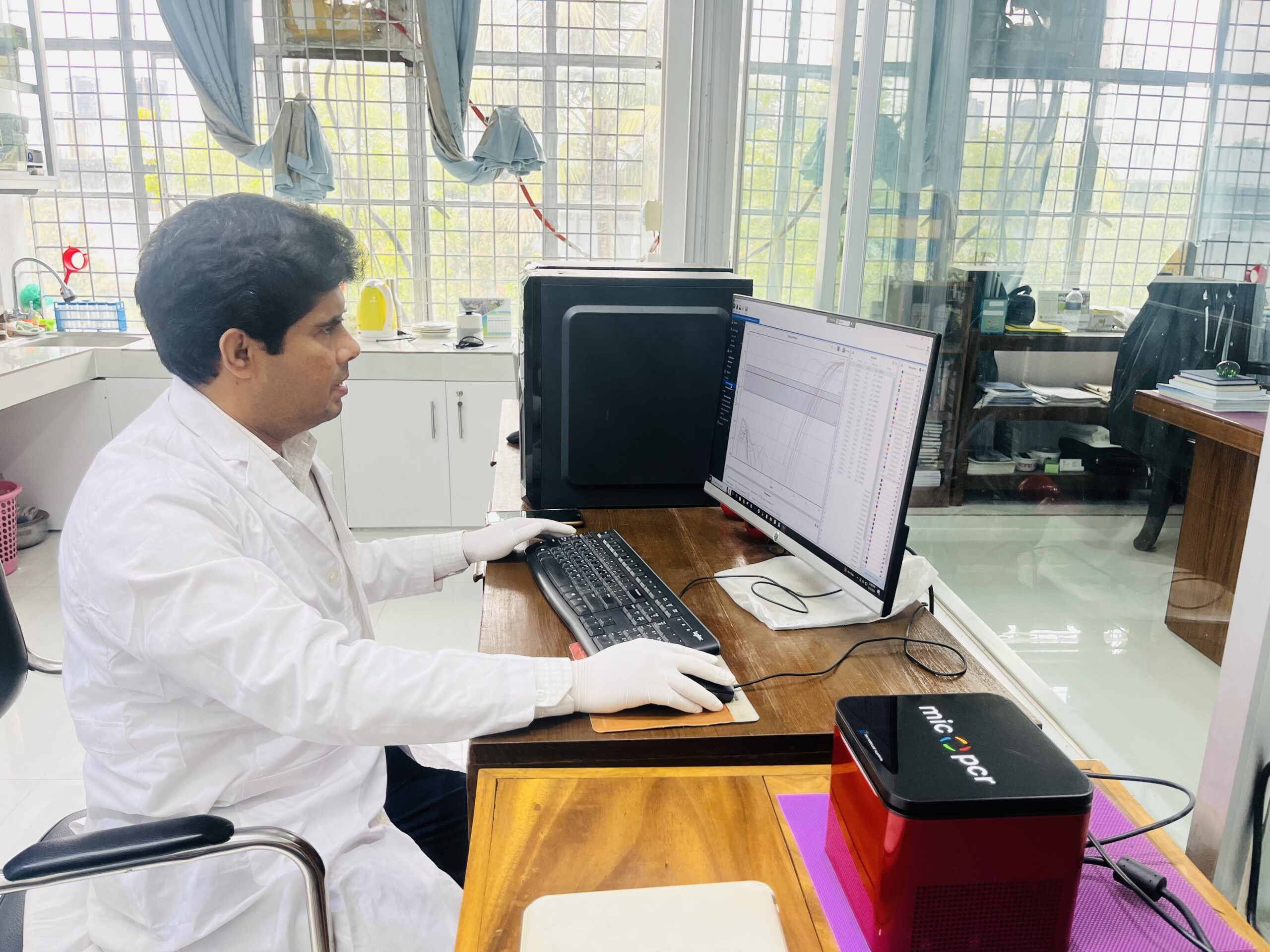
Explaining the methodology, Beni Amin said the study was conducted in a densely populated slum area near the Railway Colony in Mymensingh city. A total of 102 samples were collected from humans (both children and elderly), domestic animals like chickens, goats, cattle, and pigeons, as well as from water sources and soil. The samples were taken to the laboratory, where DNA was extracted and analyzed using advanced techniques like PCR and sequencing to identify the parasites.
According to Professor Shahiduzzaman, the study identified three major intestinal parasites—Cryptosporidium, Blastocystis, and Giardia—all of which are capable of causing diarrhea in humans. Genetic analysis revealed several species and subtypes, some of which can be transmitted between animals and humans, and vice versa. Among them, Blastocystis showed the highest prevalence, being detected in 24 samples. While it was found less frequently in humans, it appeared in high numbers among goats, cattle, and poultry. Notably, Blastocystis was found in 100% of the goat samples, which the researchers found particularly alarming. The team identified seven different subtypes—ST2 and ST3 were exclusive to humans, while ST23 and ST24 were found in animals and birds. Identical subtypes were discovered in both goats and chickens from the same household, suggesting a strong possibility of interspecies transmission.
Professor Shahiduzzaman emphasized that the presence of similar subtypes in multiple species confirms the likelihood of cross-transmission among animals and from animals to humans.
Cryptosporidium was found in eight samples—one from a human, which contained a specific subtype of Cryptosporidium parvum typically transmitted from animals. Additionally, three goats and three chickens tested positive for the same parasite. A soil sample also tested positive for Cryptosporidium meleagridis, a species commonly associated with birds.
Giardia intestinalis, another harmful parasite, was found in only one soil sample. The researchers believe it likely originated from contamination by human or animal feces.
Regarding the cause of the infections, Professor Shahiduzzaman pointed to unplanned sewage systems, free-roaming animals, and poor waste management practices in the slum area. These unhygienic conditions create ideal breeding grounds for parasitic infections, putting both humans and animals at risk. Contaminated soil and water were identified as major transmission sources. The study also found that livestock feeding on waste are getting infected, and close contact with these animals may expose humans to the parasites. Infected fecal matter may contaminate nearby water bodies, increasing the risk of human infection during everyday activities such as bathing, washing clothes, or cleaning dishes.
On raising awareness and preventive measures, Professor Shahiduzzaman stressed the need for public education and better sanitation infrastructure. He urged that animal waste be properly managed, and that planned sewage systems be introduced in slum areas to reduce the risk of infection. Promoting hygienic practices and creating a cleaner environment would significantly reduce the spread of such diseases.
Addressing the limitations and future directions of the study, the professor stated, “This was a pilot project—an initial, small-scale investigation. Still, the information we’ve gathered provides a valuable foundation for broader and more comprehensive research. If similar studies are carried out in other slum areas, rural communities, and overcrowded urban regions, we can better understand the true extent of parasitic infections. With support from both governmental and non-governmental organizations, we hope to expand this research significantly.”
In conclusion, Professor Shahiduzzaman described the study as a significant step forward for public health research in Bangladesh. He emphasized the importance of adopting a “One Health” approach, which views human, animal, and environmental health as deeply interconnected. He added that successful prevention of parasitic infections will require safe water, proper animal management, effective waste disposal, and increased public awareness at all levels.