
Global Visa Rejections: Bangladeshis face threatening mobility and image
Al Mamun Harun Ur Rashid :
Thousands of Bangladeshis in recent times have found themselves stranded at airports or watching their visa applications abruptly denied – a growing crisis that has put the country’s global mobility and reputation under scrutiny.
From Southeast Asia to the Middle East and Europe, doors once ajar for work, study, or tourism are tightening shut for Bangladeshis.
According to recent reports, visa rejection rates for Bangladeshis have sharply increased over the past two years. Malaysia, Thailand, Singapore, the UAE, Turkey, and Egypt now lead in denial rates.
European countries have also toughened scrutiny, especially since many Bangladeshis must apply through embassies in New Delhi due to limited diplomatic coverage in Dhaka.
Industry insider sources said that in 2024 alone, over 30,000 Bangladeshi visa applications were rejected by EU member states. The United States also reported a high number of refusals, often citing misrepresentation, fraudulent documentation, or intent to overstay.
Malaysia has deported more than 200 Bangladeshis this year after denying them entry at Kuala Lumpur International Airport. Authorities said most travellers failed to produce valid hotel bookings, sufficient funds, or credible travel purposes.
India, traditionally Bangladesh’s closest neighbour and a major destination for tourism and healthcare, suspended most visa categories in mid-2024 after the July revolution.
Diplomatic officials and migration experts point to several overlapping causes: misuse of tourist visas for employment, rising cases of forged documents, and concerns over illegal migration networks.
The Thai Embassy in Dhaka recently warned that applications with fake documents would be “rejected or cancelled,” after detecting multiple fraudulent submissions.
Similarly, Egypt now demands that Bangladeshi applicants show bank balances of at least $5,000 and valid visas from developed countries before being granted on-arrival entry.
Home Ministry officials said that misuse of visit visas and overstaying are at the heart of the problem. On the senior officials said when a country issues a visa, it expects the visitor to return but too many do not return as they have intention to reach third country and many of them became the prey of trafficking.
Even countries that reopened their labour markets – like Malaysia and Italy – have pulled back again, citing corruption, document fraud, and worker exploitation by recruitment syndicates.
One tour operator said that the businesses of travel agencies are collapsing as the issuance of visas have been delayed or rejected more than previous times.
They said that someone who overstayed or worked illegally in the Gulf are being blacklisted, preventing future legal employment.
Former Senior Vice President of Bangladesh Association of International Recruiting Agencies (BAIRA) Reaz-ul-Islam told the New Nation on Saturday, “Bangladesh’s labour market is shrinking because of syndicates, fake documents, and the inaction of our embassies abroad.”
“The labour market is the backbone of our economy. The government should make it clear that if visas are not issued, we will consider closing our embassies. The process should not be halted because of a few individuals.”
According to the Expatriates’ Welfare Ministry, around 17,000 workers with valid clearances were unable to migrate after Malaysia froze recruitment in 2024.
The Foreign Ministry acknowledges the gravity of the issue but stresses that visa decisions lie within each country’s sovereign jurisdiction.
“We can request, not demand,” said a senior official. Chief Adviser Muhammad Yunus and Foreign Affairs Adviser Md Touhid Hossain have met several EU envoys, urging them to relocate visa centres from New Delhi to Dhaka to ease access. So far, progress has been minimal.
Indonesia’s Deputy Foreign Minister, during a visit to Dhaka in mid-2025, promised to advocate for easier Bangladeshi access. Yet both Indonesia and Vietnam – once visa-friendly – have suspended on-arrival facilities for Bangladeshis, citing repeated violations.
Meanwhile, the Home Ministry has launched an internal review of document verification systems and pledged stricter monitoring of travel agencies. Officials from the Ministry of Expatriates’ Welfare said they are working to curb fraudulent recruiting syndicates that have tarnished the country’s labour migration record.
Analysts caution that the crisis is more than a travel inconvenience – it’s a reputational blow.
“When multiple countries tighten entry for one nationality, it signals declining confidence,” said former diplomat Humayun Kabir told the media. “The perception that Bangladeshis often overstay or submit fake papers is damaging not only to individuals but to the passport’s credibility.”
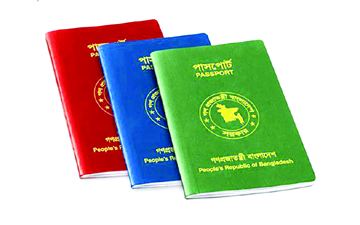
The Henley Passport Index 2025 ranks Bangladesh 187th globally, among the weakest in the world, offering visa-free or visa-on-arrival access to just 42 destinations.
Tasneem Siddiqui of the Refugee and Migratory Movements Research Unit (RMMRU) believes the situation demands stronger governance. “The government must engage diplomatically while also addressing domestic accountability – particularly corruption in the recruitment and documentation process,” she told the media recently.
As countries from the Gulf to Europe and Southeast Asia shut their doors, Bangladesh’s citizens are being squeezed for their entries in different countries.
Meanwhile, due to illegal migration, many Bangladeshis are intermittently returning home for Libya as many of them have been found victims of human trafficking.