
US Tariff Row: Bangladesh prepares for third round
Special Correspondent :
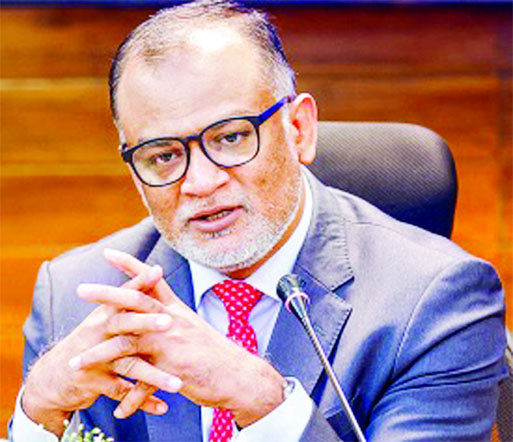
Commerce Adviser Sheikh Bashir Uddin has expressed optimism that the United States will adopt a “rational” approach to setting tariffs, as Bangladesh prepares for the third round of bilateral trade negotiations.
Speaking at a press conference in Dhaka on Monday,
following his return from the second round of discussions in Washington DC, the adviser reaffirmed Bangladesh’s commitment to maintaining strong trade ties with the US.
“We are hopeful the US will impose tariffs at a rational level,” Uddin said, while noting that the details of the ongoing talks remain confidential due to a non-disclosure agreement between the two governments.
The high-stakes negotiations come amid concerns over a proposed 35 per cent tariff-originally introduced under former President Donald Trump-which is due to come into effect from 1 August 2025, unless a resolution is reached.
Although progress was made during the most recent round of talks, several key issues remain unresolved.
Commerce Secretary Mahbubur Rahman emphasised that the government is treating the issue as a top priority.
“We are engaging with all relevant stakeholders, including economists, exporters, and business leaders. Whatever challenges arise, we intend to resolve them through continued dialogue with the United States,” he said.
A delegation from Bangladesh is expected to travel to Washington again next week for further discussions with the United States Trade Representative (USTR), with the goal of de-escalating tariffs and securing favourable trade terms.
Mohammad Hatem, President of the Bangladesh Knitwear Manufacturers and Exporters Association (BKMEA), voiced support for the government’s handling of the issue. “We are satisfied with the level of transparency and engagement. The government is giving this matter the attention it deserves, and we are hopeful for a positive outcome,” he said.
The final day of the second round of talks concluded on 11 July without a formal agreement, leaving the 35 per cent tariff technically in place for now. However, both Commerce Adviser Uddin and National Security Adviser Dr Khalilur Rahman have expressed continued optimism that a resolution can be reached before the implementation deadline.
The outcome of the negotiations is of critical importance to Bangladesh’s export sector, particularly its garments and textiles industries, which rely heavily on the US market. Industry observers warn that failure to reach an agreement could disrupt trade and increase costs for Bangladeshi exporters.
As preparations intensify for the next round of discussions, both governments appear committed to pursuing a mutually beneficial outcome. With less than three weeks remaining until the deadline, businesses and policymakers alike are watching the developments closely.