
Bangladesh Bank poised to ease monetary policy, lower interest rates
NN Online:
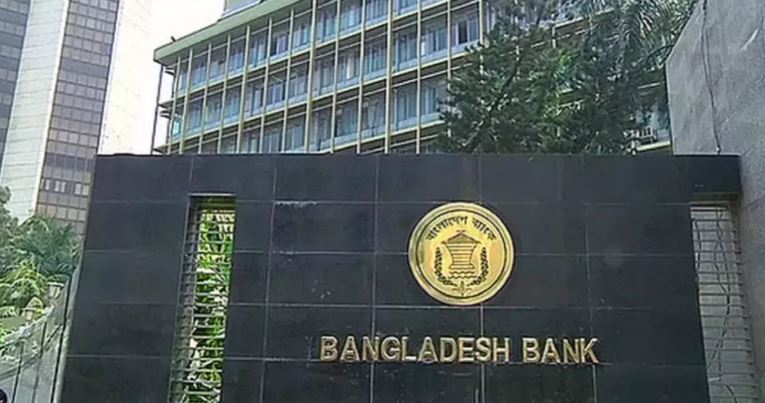
Bangladesh Bank is expected to announce a more relaxed monetary policy by the end of July, shifting away from its current contractionary approach in an effort to stimulate economic growth while keeping inflation in check.
According to sources, the central bank is planning to make modest reductions in the policy interest rate, guided by recommendations from the International Monetary Fund (IMF).
Business leaders are anticipating a more investment-friendly environment with lower lending rates, which they believe is crucial for reviving private sector activity amid ongoing political stability.
Monetary policy remains the central tool for shaping a country’s economic direction—managing inflation, regulating money supply, and fostering development. For the first half of the current fiscal year, Bangladesh Bank aims to strike a delicate balance between containing inflation and boosting private investment.
Private sector stakeholders have long argued that the tight monetary stance has hampered investment, a situation compounded by recent political uncertainty.
“We hope the upcoming monetary policy will prioritize business growth and credit expansion,” said Taskin Ahmed, President of the Dhaka Chamber of Commerce and Industry (DCCI). “We expect a softer approach, especially a reduction in interest rates that have gone up sharply.”
To control inflation, the central bank previously hiked the policy rate from 8.5% to 10%. While this helped ease consumer price pressures, it also slowed down investment and industrial activity. Acknowledging this, policymakers are now signaling a shift.
“If we continue with a contractionary policy, it won’t be favorable for investment,” said Bangladesh Bank spokesperson Arif Hossain Khan. “We’ve already achieved two of our three primary objectives. While inflation hasn’t been fully contained, it has come down somewhat. This time, the policy may take a less contractionary direction.”
Experts caution, however, that inflation cannot be controlled through monetary tightening alone.
“Inflation in Bangladesh is not purely driven by money supply,” noted Masrur Reaz, Chairman of Policy Exchange Bangladesh. “Without fixing supply chain inefficiencies, raising policy rates alone won’t solve the issue.”
Reforms in the supply chain remain essential but difficult to implement. Meanwhile, the economy continues to face pressure from exchange rate volatility, taka depreciation, and high borrowing costs, all of which have dragged private-sector credit growth below 8%.
These challenges have prompted the central bank to consider a more accommodating policy to revive economic momentum. Insiders say the upcoming policy will outline just how far Bangladesh Bank is willing to go in easing liquidity constraints without letting inflation spiral again.