
Are you eating chemically ripened mangoes?
Shahariar Islam Sovon:
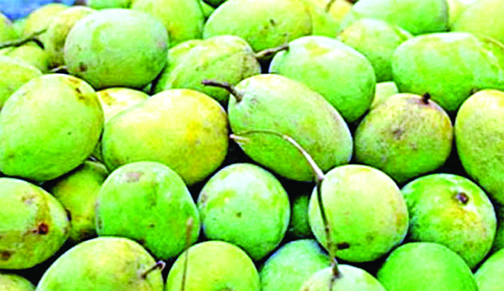
Summer in Bangladesh brings with it the irresistible appeal of mangoes. From the sweet and fragrant Langra of Rajshahi to the luscious Himsagar of Chapainawabganj, mangoes are more than just a fruit — they’re a seasonal celebration. But while you may be enjoying their juicy sweetness, there’s an unsettling question to consider: are the mangoes you’re eating safe, or have they been artificially ripened using harmful chemicals?
In Bangladesh, as in many parts of South Asia, artificial ripening has become a growing concern. In an effort to speed up the ripening process and meet market demands, some traders turn to chemicals like calcium carbide. Although its use on fruits is banned by the Bangladesh Food Safety Authority (BFSA), reports suggest that it continues to be used discreetly. Calcium carbide contains harmful substances such as arsenic and phosphorous hydride, which can lead to serious health issues, including dizziness, memory problems, hormonal imbalances, and even long-term neurological damage.
Apart from the health hazards, artificially ripened mangoes are often of inferior quality. These fruits might look attractive, with an even golden-yellow color, but they tend to be overly soft, have a lackluster flavor, and spoil faster than naturally ripened ones. Worse still, they often lack the juiciness that makes mangoes so enjoyable, and some people report a burning sensation in the mouth or throat after eating them. There are, however, simple ways to check if your mangoes have been artificially ripened. One home method involves placing the mangoes in a bucket of water. Naturally ripened mangoes typically sink, while artificially ripened ones float. Another clue lies in the aroma and texture chemically ripened mangoes may smell unusually strong and feel hard inside despite looking ripe on the outside. Cutting into the fruit can reveal even more; if there’s little to no juice, that’s a sign the mango hasn’t ripened naturally.
As a consumer, you can protect yourself by buying mangoes from trusted sources who allow their fruits to ripen naturally. Asking questions about where the mangoes come from and how they were ripened can also go a long way in making safer choices. For those purchasing in bulk or for commercial use, testing mangoes in a BFSA or BSTI-certified lab is a reliable way to ensure they are free of harmful chemicals.
Ultimately, mango season should be a time of enjoyment, not worry. By staying informed and making conscious choices, we can all enjoy the richness of Bangladeshi mangoes without putting our health at risk.