
A $6m bribery trail from Dhaka to Paris
NN Desk :
In September 2015, at a discreet meeting in London, senior executives from the French technology firm Oberthur were introduced to a man known simply as “Mr. G.” To them, he was a powerful insider – someone close to Bangladesh’s prime minister, with the influence to open doors, steer policy, and secure contracts.
To the World Bank, which had already begun investigating the deal, he was the keystone of a multi-million-euro bribery scheme.
For nearly a decade, this man’s identity remained concealed in court filings and confidential memos. He was referred to as “G” by World Bank investigators and as “the General” in internal company emails.
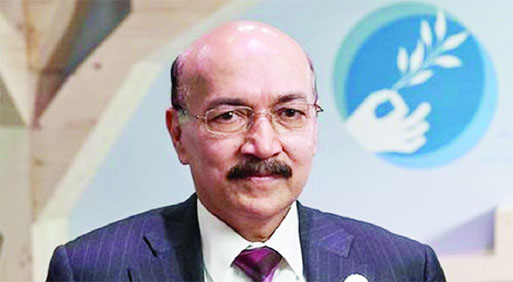
Only through persistent reporting, stretching from Dhaka to Washington and Paris, did the investigative outlet Netra News unmask him: Major General (retired) Tarique Ahmed Siddique, former security adviser to Prime Minister Sheikh Hasina and a long-serving gatekeeper to one of South Asia’s most entrenched power structures.
The scandal centers on Bangladesh’s digitized national identity (NID) card project – a $195 million World Bank-funded initiative that was meant to modernize electoral infrastructure. The contract, awarded in late 2014 to Oberthur Technologies with Tiger IT as its local subcontractor, was riddled with irregularities.
Eight months before bids were officially invited, Ziaur Rahman, CEO of Tiger IT, had already emailed confidential contract specifications to Oberthur and other suppliers, seeking their input to shape the tender in their favor. According to the World Bank’s Integrity Vice Presidency, this insider manipulation rendered the bidding process a farce.
At the heart of the scheme, investigators found, was General Siddique.
The moustached military man-turned-adviser brokered approvals, expanded the project scope, and ensured cabinet-level clearances – in exchange for illicit payments. Emails between Oberthur staff detail how Siddique “ensured” that an urgent government purchase meeting would be called to approve a 20-million-card expansion. The price for that intervention: €730,000, masked as a fictitious “training” fee.
The corruption deepened with a subsequent deal for holographic security features. French court filings show that Siddique’s cut for this phase alone was estimated at €5.4 million. Ultimately, investigators believe a total of €6.1 million – equivalent to nearly Tk 88 crore – was set aside for him.
Despite the scale of the scandal and the clear identification of Siddique by both World Bank and French investigators, he has never faced charges related to the NID contract in Bangladesh. While Tiger IT was debarred from World Bank projects, and Oberthur’s successor company, IDEMIA, paid €8 million in settlements, Siddique remained shielded.
“He was presented to us as someone very close to the prime minister – you can guess this guy had influence,” an Oberthur executive told investigators. The World Bank showed one employee a photo of three men; the staffer immediately pointed to the general with the moustache. “That’s him,” the employee said. “That’s the guy we met in London. That’s ‘G’.”
Siddique, a brother-in-law to the prime minister’s sister’s husband, was the only military man among Hasina’s seven formal advisers during the 2014-18 period. He was also the only one with a moustache – a detail that helped confirm his identity.
His influence extended deep into government circles. Ziaur Rahman, the Tiger IT chief, was a regular guest at Siddique’s residence, according to relatives. French prosecutors also highlighted Rahman’s ties to the military and to Siddique’s extended family, including a reported connection to the then-husband of Saima Wazed, Hasina’s daughter.
Unanswered Questions, Unfaced Consequences
After Hasina’s ouster from office in August 2024, Siddique reportedly left the country. He has since been charged – alongside the former prime minister – in unrelated cases involving crimes against humanity and grand corruption. Yet, the NID affair remains untouched by Bangladesh’s legal system.
Attempts by Netra News to contact Siddique through family members went unanswered. The World Bank declined to confirm details of its probe, citing confidentiality and witness safety. The French prosecutor’s office shared settlement documents but refused further comment. IDEMIA and Tiger IT deny any wrongdoing.
Meanwhile, Siddique’s family wealth has soared. In 2018, his daughter purchased a £1.9 million home in London. His wife, Shaheen Siddique, was found to have held a $2.7 million account in Malaysia and sought Maltese “golden passports” for herself and their daughter.
Back home, Bangladesh’s anti-corruption agency found that the retired general owned prime real estate across Dhaka: homes in Gulshan and Baridhara, plots in Bashundhara, and two farmhouses – assets officially valued at Tk 38 crore, though Prothom Alo estimated their market value could be 20 times higher.
A Scandal in Plain Sight
Despite the international dimensions of the case – and the damning findings laid out in World Bank tribunal records, French legal proceedings, and corporate filings – the NID bribery scandal has barely registered in Bangladesh’s public discourse.
The media largely stayed silent, even as foreign prosecutors moved forward.
The case raises profound questions about transnational accountability: How can a man at the heart of a multi-million-euro bribery scheme walk away untouched while foreign corporations are sanctioned? What does it say about global anti-corruption regimes when the well-connected – especially those in developing countries – face no consequences?
For now, Major General Tarique Ahmed Siddique, the man once known only as “Mr. G,” remains at large – his name scrubbed from official inquiries, his fortune intact, and the system that enabled him, still largely unreformed.