Nepal’s ex-police chief ordered lethal force in protest: BBC
AFP :
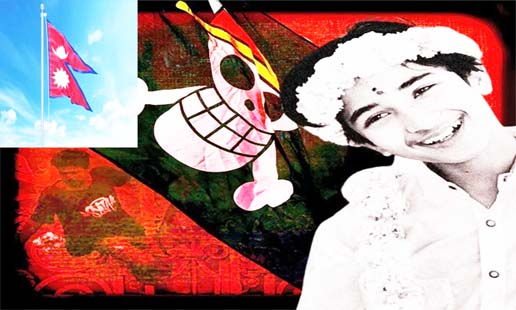
Nepal’s former police chief ordered the use of lethal force during the September 2025 anti-corruption protests, a BBC investigation revealed.
At least 77 people were killed in the September 8-9 protests, the deadliest unrest since the end of the 2006 civil war, which ultimately forced the government to collapse. No one has been held accountable for the deaths as yet.
The report, which aired on Thursday, comes ahead of the March 5 elections, in which major parties from the coalition government toppled by the uprising are seeking to return to power.
Nepal’s police did not immediately respond to AFP request for comment on Friday.
The BBC reported that police said they had been “faced with an overwhelming situation where we had to respond to multiple incidents simultaneously”.
The violence is subject to an ongoing public inquiry, in which the ex-police chief Chandra Kuber Khapung has submitted a closed statement, but the BBC’s findings represent one of the most comprehensive public examinations of the events so far.
The investigation, which cites an internal police document as well as drawing on more than 4,000 videos and photographs, eyewitness reports and reports from security officials, analysed how the youth-led protests spiralled into violence.
Protesters, organised loosely under a Gen Z banner, took to the streets of Kathmandu after the government briefly banned several social media platforms.
“Someone using the call sign ‘Peter 1’ told his officers to ‘deploy necessary force’ 10 minutes after a curfew had come into effect, and after repeated requests by officers on the ground to use lethal force,” the BBC reported, adding the call sign was used by police chief Khapung.
The BBC said Khapung did not deny issuing the order, but police stated it came only after he received authorisation from a government security committee headed by a senior civil servant.
Ex-prime minister Khadga Prasad Sharma Oli, who quit a day later, has also denied ordering security forces to open fire on protesters.
Oli, 74, who is seeking a return to power, had told AFP that he blames “infiltrators” for the violence.
The BBC said its investigation had “found no evidence to substantiate the claim” that organised groups acting on behalf of political interests helped drive the destruction.
Human Rights Watch (HRW), in a report in November, detailed how security forces “used disproportionate force”, including “indiscriminately firing on protesters multiple times”.
HRW, citing pathologists at a Kathmandu morgue, said they determined 35 cases of death had been due to “high velocity gunshot wounds” to the head, neck, chest, or abdomen.
The BBC also analysed six shootings, stating that it did not see “any of the victims engaging in violence”.
The unrest spread nationwide the following day, fuelled by wider anger at economic hardship and corruption. Parliament and government offices were set ablaze, and the government collapsed.