How Profitable Is the Rooppur Nuclear Power Plant—Bangladesh’s Most Expensive Project—in the Context of Bangladesh?

Swapan Kumar Kundu :
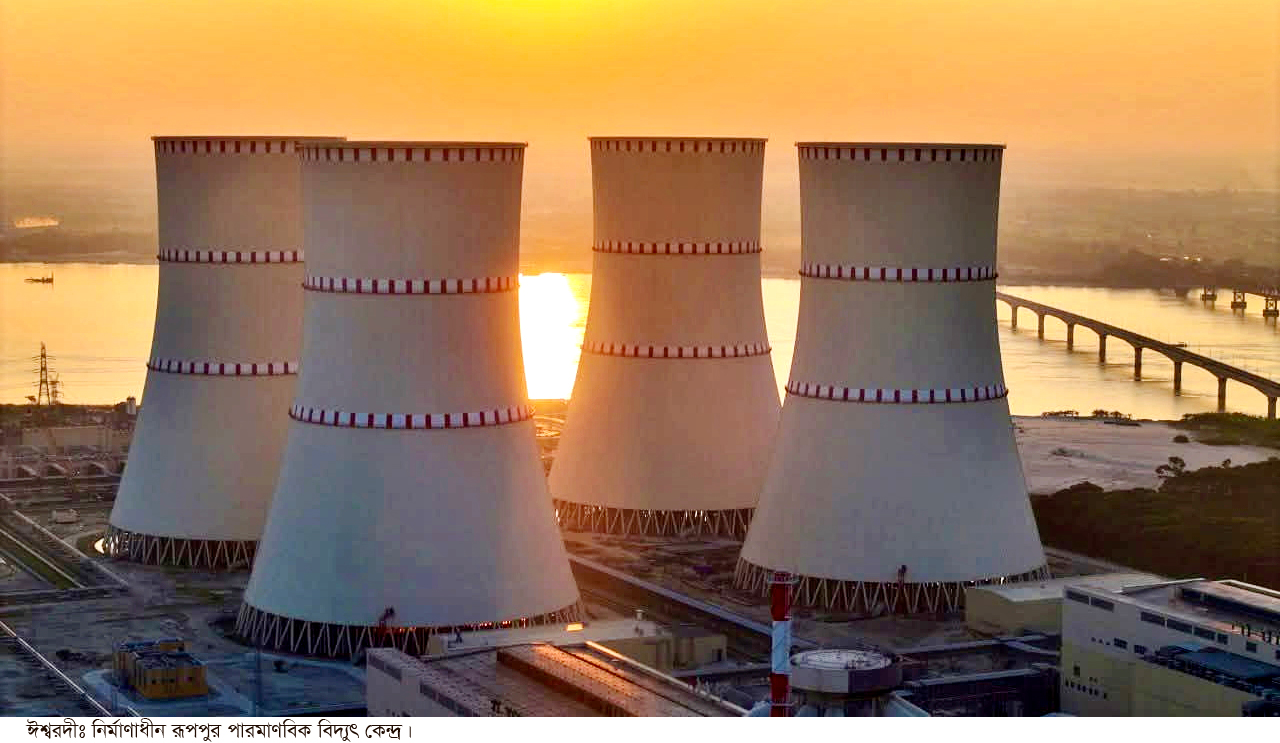
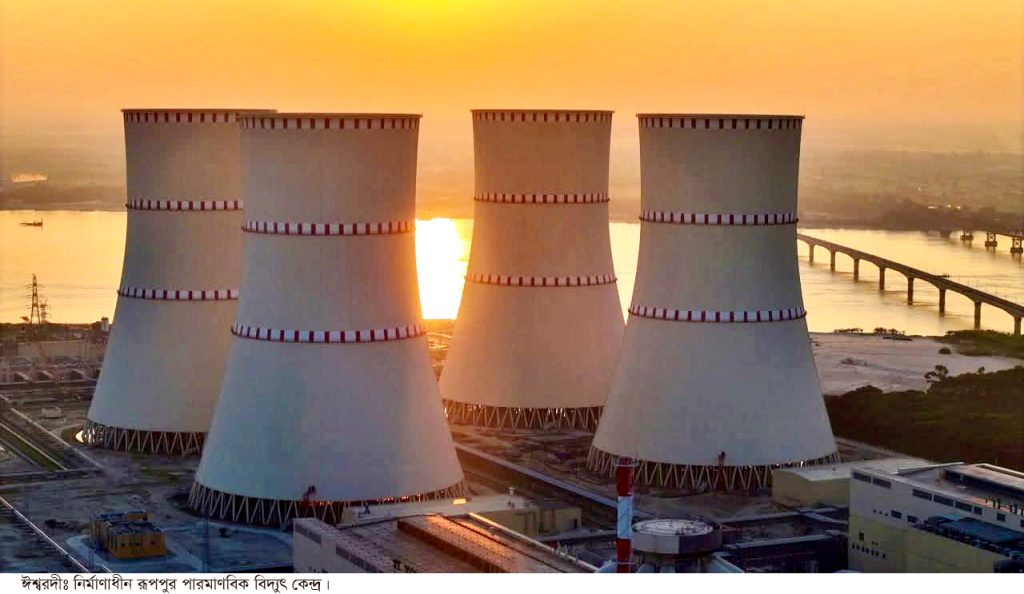
At a time when Bangladesh is facing a power deficit between demand and supply, the Rooppur Nuclear Power Plant (RNPP) had emerged as a ray of hope. However, due to global factors, its implementation has once again been delayed. The plant is being constructed with two units using Russia’s VVER-1200 technology. Compared to nuclear power plants in other Asian countries, the construction cost of RNPP is significantly higher. Not only that, Bangladesh has surpassed even the United States, France, Belgium, Japan, Finland, the Slovak Republic, South Korea, China, and India in terms of construction expenditure for nuclear power plants.
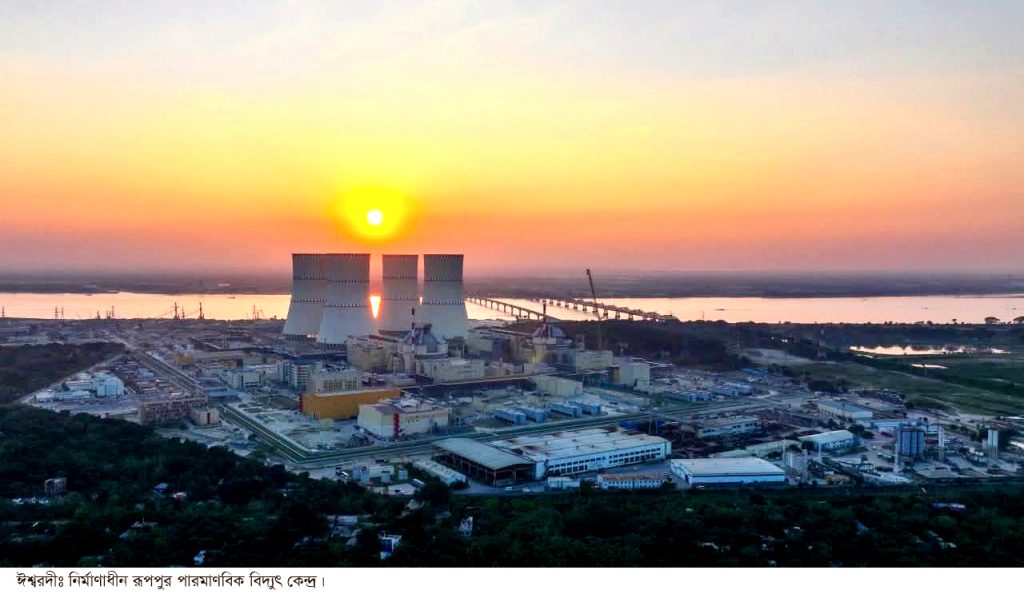
Nevertheless, through the implementation of the Rooppur project, Bangladesh has entered the nuclear world—an achievement in nuclear diplomacy that has positioned the country with prestige among nuclear energy–using nations. This project is a landmark accomplishment for Bangladesh and has been designed in compliance with the regulations of the International Atomic Energy Agency (IAEA), ensuring the highest level of safety.
The Russian state-owned company Rosatom is constructing the Rooppur Nuclear Power Plant. According to available information, the cost of the main plant construction has increased. Due to the depreciation of the Bangladeshi taka against the US dollar, the cost has risen by 11.84 percent. As per the first revised proposal, the total project cost has increased to BDT 1,26,479 crore. In the original 2016 proposal, the estimated cost was BDT 1,13,093 crore. Thus, solely due to exchange rate changes, the project cost has increased by BDT 12,964 crore.
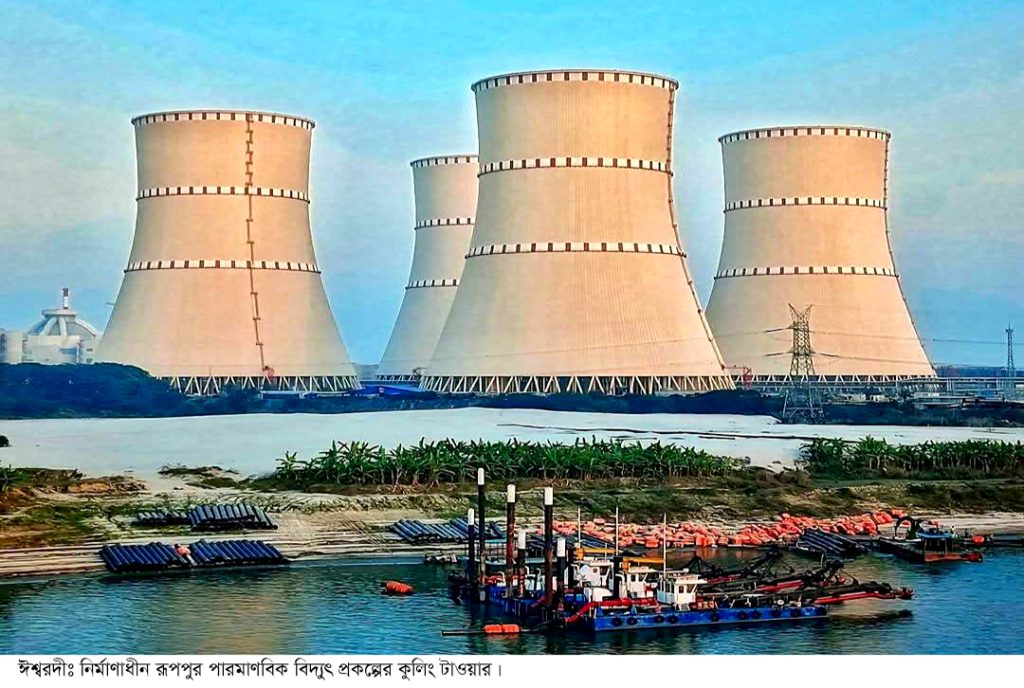
How Profitable Is Nuclear Power Comparatively?
Although the initial construction cost of nuclear power plants is high, the technological raw materials are relatively easy to procure. While importing oil, gas, and coal is increasingly difficult, nuclear power has become a preferred option globally. In the fight against climate change, this technology is highly effective. Burning oil, gas, and coal emits huge amounts of carbon, whereas nuclear power plants are environmentally friendly.
However, repeated extensions of the Rooppur project timeline have disappointed many. At a time when power distribution companies are competing to raise tariffs, this project represented a dream for the people. To keep the power system functional, a large portion of the national budget must be allocated to the power sector, yet the sector remains fragile. Global conflicts, dollar shortages, and shortages of oil, coal, and gas have pushed the sector into a critical state. Despite overcoming many challenges to keep the system running, public suffering has not eased.
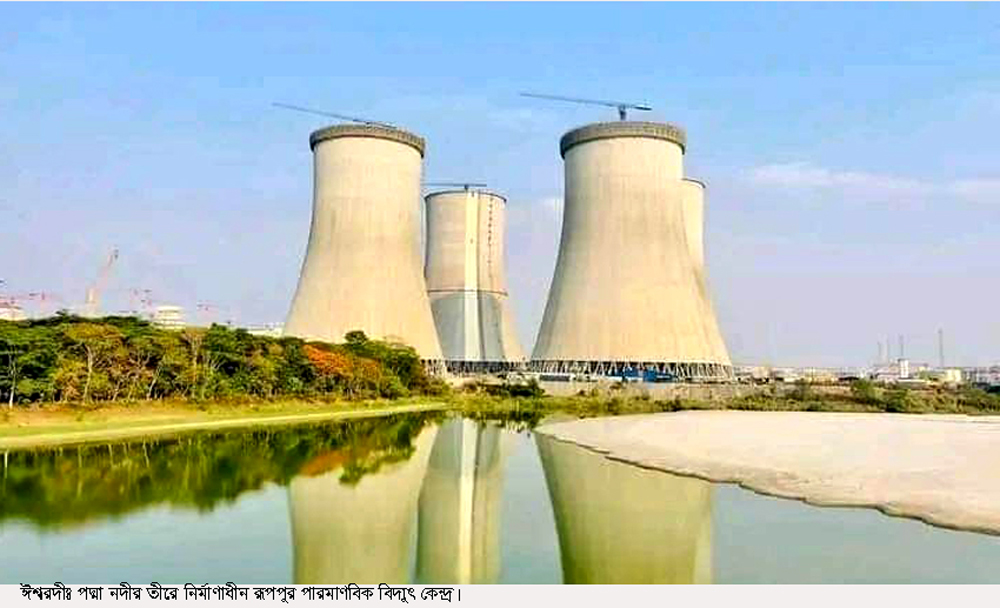
The expectation from the Rooppur project is that it will meet around 20 percent of the country’s total electricity demand and provide an environmentally friendly source of power. The project is expected to generate 4,800 megawatts of electricity, playing a crucial role in addressing the country’s power shortage.
Energy Security and a New Horizon in Economic Competitiveness
Bangladesh’s development journey has long been closely tied to energy security. From a past marked by frequent load-shedding to the present era of industrialization, urbanization, and digital advancement, reliable and affordable electricity has been the backbone of progress. In this context, the country’s first nuclear power plant is not merely an energy project—it is a major catalyst for Bangladesh’s overall socio-economic transformation.
To meet the needs of industrial growth, urban expansion, and a growing middle class, Bangladesh must ensure long-term and stable energy supply. Traditionally dependent on gas and coal, the power sector now faces environmental and geographical constraints. Nuclear energy offers uninterrupted, large-scale, and clean power without the volatility of fossil fuels.
Currently, per capita electricity consumption in Bangladesh is about 433 kilowatt-hours. To reach the level of developed countries, this must increase to 800 kWh by 2030 and 1,500 kWh by 2041. Electricity consumption is, in fact, a key indicator of development.
With 2,400 megawatts of power from Rooppur’s two units, reliance on expensive rental power plants and imported fuels will decrease significantly. This will allow energy-dependent industries such as textiles, pharmaceuticals, and IT to operate in a more stable environment, thereby attracting foreign investment.
Technology Transfer and Long-Term Human Resource Development
One of the most significant achievements of the Rooppur project is the development of highly skilled human resources. With support from the IAEA and Russia, thousands of engineers, scientists, and technicians are being trained in nuclear technology, radiation protection, and advanced engineering. These skills will have far-reaching impacts on healthcare (radiotherapy, nuclear medicine), agriculture (crop improvement, food preservation), research, and high-tech industries.
Like South Korea and India, Bangladesh can build research institutes, laboratories, and specialized higher education centers around Rooppur, establishing the region as a hub of scientific excellence.
Regional Development and Infrastructure Expansion
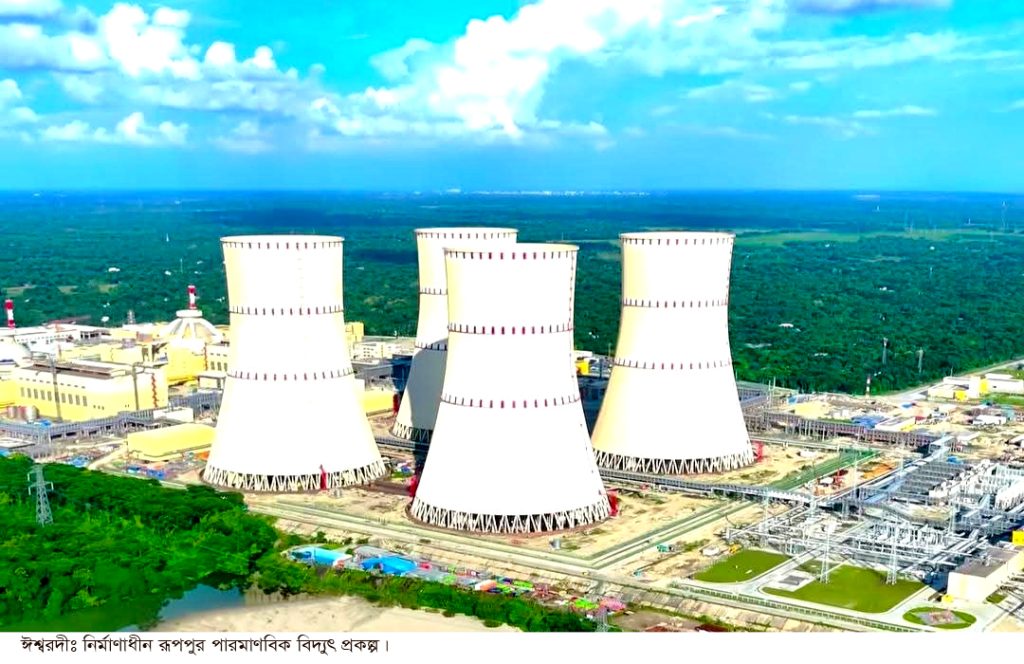
Like other large infrastructure projects, RNPP’s impact is multidimensional. Roads, housing, hospitals, and educational institutions have already been developed in Pabna and surrounding areas. Local business, transport, hospitality, food services, and tourism have all experienced growth.
At the same time, demand for materials, maintenance, transport, security, and construction has created opportunities for industries and entrepreneurs, improving the overall socio-economic profile of the region.
Environment-Friendly Energy and Climate Adaptation:
As a climate-vulnerable country, Bangladesh must balance development with environmental protection. Nuclear power emits almost zero greenhouse gases, making it crucial for reducing the country’s carbon footprint. It aligns with the goals of the Paris Agreement and enhances Bangladesh’s reputation as a responsible development partner.
If solar panels were installed on the land used by Rooppur, they would produce a maximum of only 8 megawatts, whereas Rooppur will generate 2,400 megawatts. Solar energy is not a large-scale alternative due to land, climate, maintenance, and disposal limitations. Dust, smoke, hailstorms, storms, and ultraviolet radiation degrade solar panel efficiency. There is also no proper disposal system for decommissioned panels, which may release carcinogenic toxic materials. Coal-based power plants, on the other hand, cause irreversible environmental damage, ultimately increasing electricity costs.
Over a century-long perspective, despite high initial costs, nuclear energy remains the most sustainable, stable, and cost-effective solution.
Revolutionary Potential in Healthcare, Agriculture, and Technology
Nuclear technology has wide-ranging applications:
- Cancer detection and treatment
- Advanced diagnostic imaging
- Sterilization of medical equipment
- Development of pest-resistant crops
- Long-term food preservation
- Soil health analysis
These technologies can usher in a new era of productivity in Bangladesh’s healthcare and agricultural sectors.
Supporting a Knowledge-Based Economy
To achieve a knowledge-based economy by 2041, scientific practice, innovation, and high technology are indispensable. The precision, discipline, and research culture required for nuclear projects can elevate the entire technology sector.
Countries that have mastered nuclear technology have also achieved global competence in space science, information technology, medicine, and engineering. Bangladesh can use Rooppur as a springboard for long-term technological excellence.
Challenges That Must Be Addressed
- Maintaining the highest level of safety and a strong regulatory framework
- Developing technology and diplomatic cooperation for long-term waste management
- Recovering investment costs while ensuring affordable electricity
- Increasing public awareness and dispelling misconceptions
- Strengthening emergency preparedness and independent oversight
Without responsible management, nuclear projects cannot be sustainable—this is the greatest challenge.
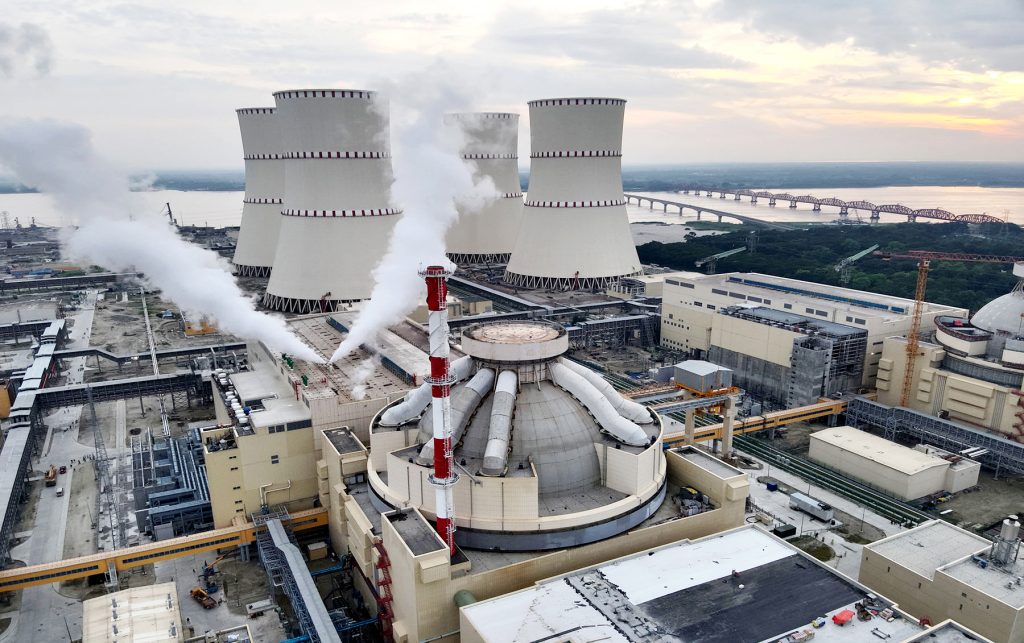
Rooppur as a Symbol of Ambition
Beyond its technical aspects, RNPP symbolizes Bangladesh’s indomitable ambition. It demonstrates that Bangladesh is not just a low-cost, labor-dependent economy, but an emerging power capable of mastering advanced technology. Just as the Padma Bridge became a symbol of national confidence, Rooppur can become the emblem of a technology-driven transformation—a bold, visionary, and self-assured Bangladesh.
Conclusion
The Rooppur Nuclear Power Plant is not merely a power generation project—it has the capacity to multiply Bangladesh’s socio-economic progress. From powering industries to developing human capital, from regional economic growth to enhancing global standing, its long-term impact will be profound and far-reaching.
With responsible management and sound policies, RNPP will not only illuminate homes and factories but also light the path toward Bangladesh’s sustainable growth, technological excellence, and prosperous future.
(Author: Retired college teacher and media professional)