
Nat’l polls a ‘role model’ in country’s history: Home adviser
Staff Reporter :
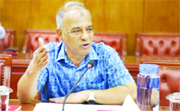
Bangladesh’s 13th national parliamentary election will be remembered as a “role model” in the country’s electoral history, Home Affairs Adviser Lt Gen (retd) Md Jahangir Alam Chowdhury said on Monday.
He made the remarks while speaking at a farewell reception held at the Police Headquarters, where he lauded the role of law enforcement and security agencies in ensuring what he described as a peaceful, orderly and credible election.
“The election has been appreciated both at home and abroad for the neutral, responsible and unique role played by the Bangladesh Army, Bangladesh Police, Rapid Action Battalion (RAB), Bangladesh Ansar, Border Guard Bangladesh (BGB) and the Bangladesh Coast Guard,” he said.
The home adviser expressed gratitude to members of all security forces for their contribution to the smooth conduct of the national election and the referendum, noting that the overall process had drawn positive attention internationally. He said the coordinated efforts of the forces helped maintain law and order and public confidence throughout the electoral period.
Jahangir Alam also said that the standing of the police force had been restored “to a respectable level” through collective efforts, following the challenges it faced after 5 August 2024.
He urged police officers to continue working professionally and responsibly to further strengthen the image and credibility of the force in the eyes of the public.
Referring to recruitment practices under the interim government, the adviser claimed that appointments to various agencies under the Ministry of Home Affairs had been free from corruption.
He described the recruitment process as transparent and rare in the country’s history.
“I can assure you that at least my office did not lobby for these appointments,” he said, adding that merit-based and impartial recruitment was essential to building professional and accountable institutions.
He concluded by calling on law enforcement personnel to uphold neutrality and professionalism in all future duties, saying such standards were crucial to sustaining public trust and democratic stability.