
New MPs to take two oaths: Ali Riaz
NN Desk :
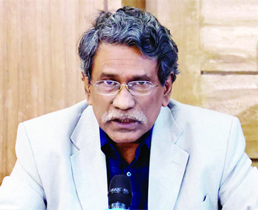
Elected members of the new parliament will be required to take two separate oaths following the approval of constitutional reforms in the national referendum, according to Ali Riaz, chief advisor’s special aide.
He said the requirement was set out in the Constitution Reform Order 2025, which outlines how the July National Charter is to be implemented.
“It was clearly stated that the Constitution Reform Council will be formed by the elected members of parliament, and they will take two oaths,” he told reporters at the Foreign Service Academy in Dhaka on Saturday.
“One will be as a member of parliament, and the other as a member of the Constitution Reform Council.”
The referendum, held alongside the 13th parliamentary election on Feb 12, saw a majority of voters endorse 48 proposed constitutional amendments contained in the July Charter. The reforms were drafted after the July 2024 mass uprising, which led to the fall of the Awami League government, reports bdnews24.com
Riaz, who previously served as vice-chairman of the National Consensus Commission, said the reform council would have a fixed tenure.
“The order clearly states that the tenure of the Constitution Reform Council will be 180 days. They will carry out their work within that timeframe.”
He also referred to “notes of dissent” raised during earlier discussions on reform, saying the referendum result now constituted a clear public mandate.
“There has now been a public verdict. The people have clearly and specifically expressed their view on implementing these proposals,” he said.
He, however, added that other issues would still require political consensus.
“We expect that the majority party and all other parties represented in parliament will act in light of the July National Charter and the commitments they have made.”
Questions remain over how a proposed upper house of parliament would be structured.
A journalist noted that the referendum backed a proportional representation system for the upper chamber based on vote share, while the Bangladesh Nationalist Party (BNP), which won a two-thirds majority, has proposed allocating seats based on parliamentary strength.
Riaz said the BNP’s position reflected its party manifesto.
“That is the position of a political party, and they have expressed it in their manifesto,” he said. “Now they have received a public mandate, but what has been outlined in the referendum is different.”
He suggested the matter would need to be resolved through discussion.