
Zakat confce organised by MASTUL Foundation Role of NGOs and Corporates in Poverty Alleviation
Staff Reporter:
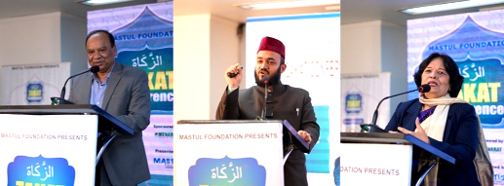
A day-long Zakat Conference titled “The Role of NGOs and Corporates in Poverty Alleviation through Zakat – 2026” was held at Pan Pacific Sonargaon Hotel, jointly organized by MASTUL Foundation and Al Zakat Sadaqa Foundation.
The conference highlighted the need to transform Zakat into a sustainable social and economic development mechanism by integrating NGO and corporate expertise. Organizers noted that the full potential of Zakat in poverty alleviation has yet to be realized, emphasizing the importance of management efficiency, transparency, and social responsibility.
Key topics included effective Zakat-based poverty alleviation models, transparency and accountability, impact evaluation, and collaborative frameworks between Zakat institutions, NGOs, and corporate.
The conference featured three sessions, with Md. Daud Mia (NDC), Director General of the NGO Affairs Bureau, and Shaykh Professor Dr. Md. Mokhtar Ahmad as chief guests. Participants included NGO leaders, Islamic scholars, government officials, corporate leaders, and social workers.
Kamal Uddin Biswas, Additional Secretary of the Ministry of Social Welfare, stated that MASTUL Foundation’s transparency and dedication justified its government registration. He expressed confidence that Zakat distributed through MASTUL Foundation would be utilized most effectively for development and welfare purposes. Dr. Halida Hanum, Chairperson of the Bangladesh Red Crescent Society, emphasized joint initiatives to ensure healthcare for underprivileged women through Zakat.
She stated that true charity includes sharing skills and knowledge, not only financial resources, and described the partnership as a milestone in women’s healthcare and poverty reduction.
Founder and Executive Director Kazi Reaz Rahman reiterated MASTUL Foundation’s commitment to serving humanity for the sake of Allah and called for collective action to build a compassionate society.
MASTUL Foundation gained international recognition for its rapid emergency response during the Gaza crisis in 2024 and the Sudan crisis in 2025 by delivering food, clean water, and medical supplies. Within Bangladesh, its sustainable poverty alleviation initiatives are highly notable, including education support, vocational and skills training, and its successful “Zakat Swabalambi” (Zakat for Self-Reliance) project, which creates long-term employment and promotes self-reliance. The foundation also provides free daily meals to the underprivileged and is developing a Shelter Home Complex for orphans and the elderly, reflecting its long-term humanitarian commitment. Donations, zakat, and sadaqah given to MASTUL Foundation are income tax-exempt under the regulations of the National Board of Revenue (NBR) and qualify donors for tax rebates.