
Rooppur Nuclear Power Plant: How a Single Project Can Reshape a Region
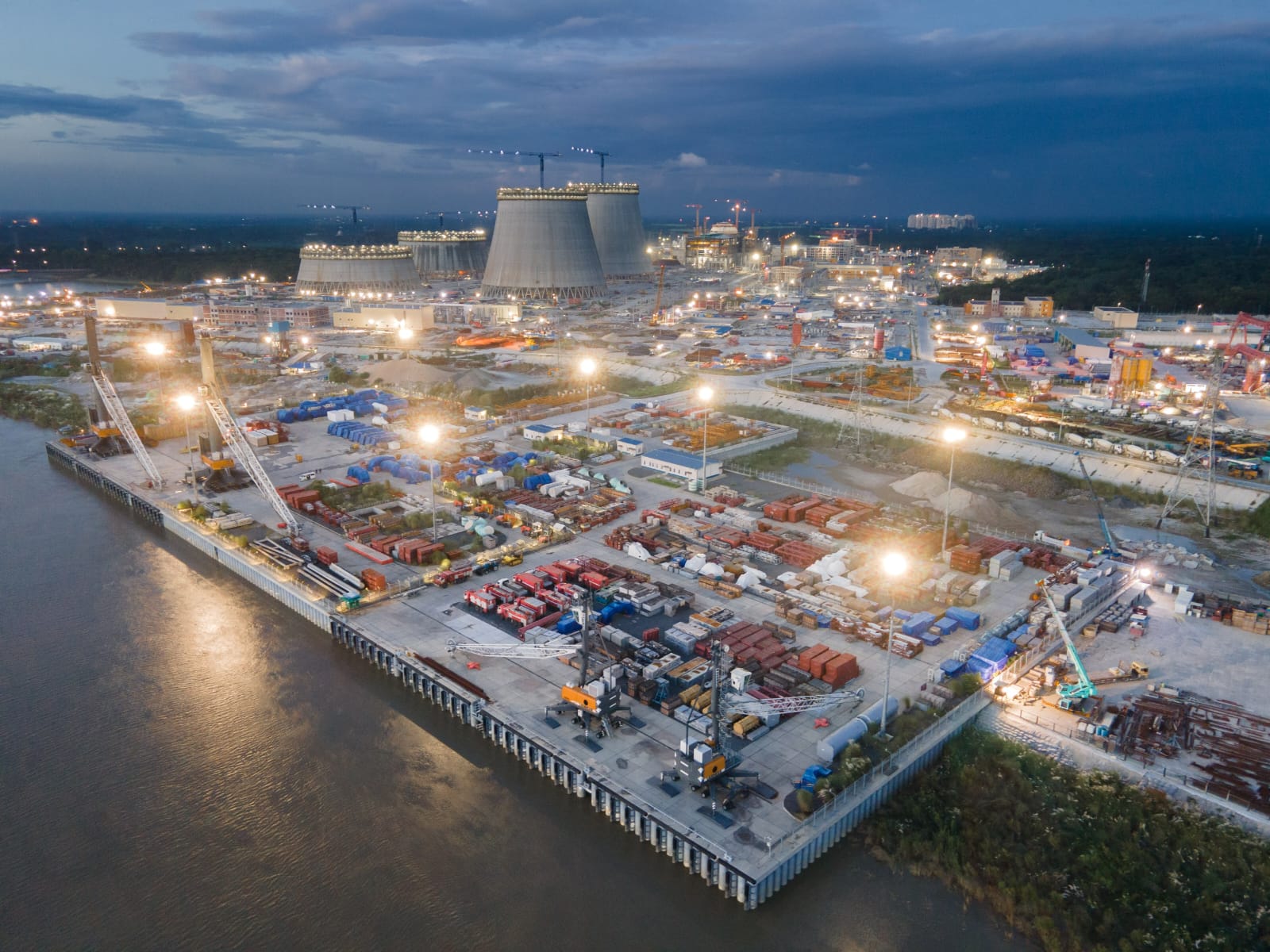
As a development analyst, I have spent much of my career studying how large infrastructure projects alter regional economies. Too often, such projects promise transformation but leave behind only partial gains. Rooppur, however, tells a different story. What is unfolding in this quiet corner of Pabna district suggests that the Rooppur Nuclear Power Plant (RNPP) may become one of the most consequential regional development interventions in Bangladesh’s recent history.
When I first visited the Rooppur area years ago, the landscape reflected a familiar rural pattern. Agriculture dominated livelihoods. Young people spoke of Dhaka or overseas work as their primary routes to advancement. Local markets were active but modest, and public infrastructure showed the constraints of limited long-term investment. Rooppur was not struggling, but it was clearly operating within narrow economic boundaries.
Today, the atmosphere feels different. There is movement, expectation, and a growing sense that the region’s future is no longer confined to subsistence agriculture or outward migration. Much of this change can be traced back to the nuclear power plant rising on the banks of the Padma.
Development Begins with Economic Anchors
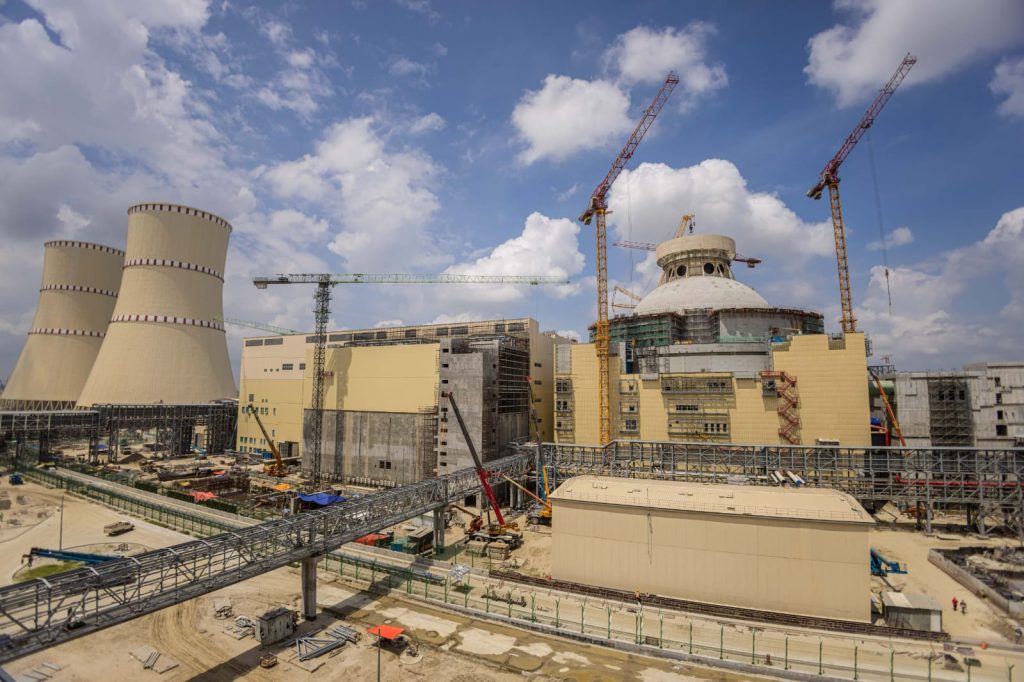
From a development perspective, regions rarely transform without a stable economic anchor. The Rooppur Nuclear Power Plant provides precisely that. Unlike short-term construction projects, nuclear facilities are designed to operate for 60 years or more. This long lifecycle fundamentally changes how development unfolds around them.
During construction, thousands of workers were employed, many drawn from nearby communities. This alone injected significant income into the local economy. But what matters more is the structure of that employment. Nuclear projects require a wide range of skills, from highly specialised engineering roles to logistics, maintenance, and support services. As a result, income gains were distributed across multiple layers of the local workforce.
The effects quickly spilled beyond the plant site. Transport operators found steady demand. Small restaurants expanded. Rental housing multiplied. In Ishwardi and surrounding areas, markets grew more active, and household spending patterns began to change. Economists often refer to this as the local multiplier effect. In Rooppur, it is visible in everyday life.
Infrastructure as a Public Good
One of the less discussed but most enduring contributions of RNPP is infrastructure development. Nuclear facilities operate under stringent safety and logistical requirements. Roads must be reliable. Utilities must be resilient. Communication systems must be robust. To meet these standards, the surrounding region has seen significant upgrades.
These improvements are not exclusive to the power plant. Better roads reduce transport costs for farmers and traders. Strengthened utility services improve reliability for households and small businesses. Improved connectivity shortens distances between Rooppur and regional commercial centers.
From a policy standpoint, this matters enormously. Infrastructure created for a strategic project becomes a shared public good. Over time, it lowers barriers to entry for new economic activities, making the region more attractive to private investment and service expansion.
Human Capital: The Quiet Transformation
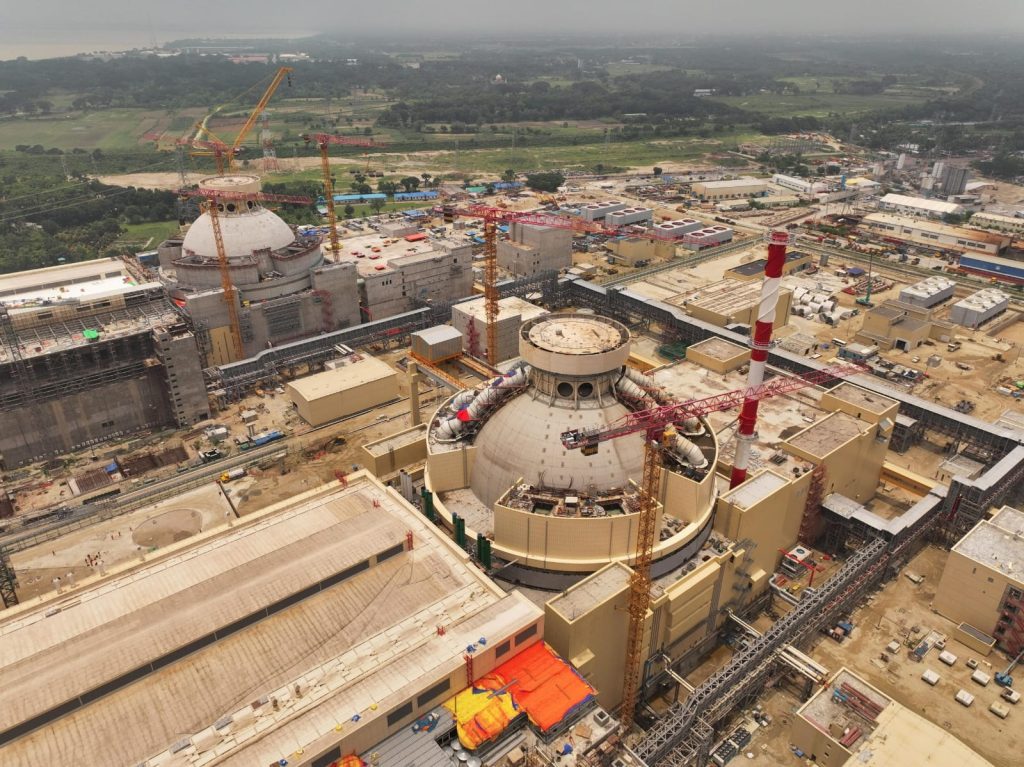
If infrastructure is the visible legacy of the Rooppur Nuclear Power Plant, human capital may prove to be its most valuable contribution. Nuclear energy is unforgiving of error. It demands discipline, precision, and a culture of safety. These requirements have driven extensive training and capacity-building initiatives for Bangladeshi professionals.
Engineers, technicians, and operators associated with RNPP have undergone rigorous preparation, including advanced training abroad. This exposure to global standards and cutting-edge technology represents a qualitative shift in Bangladesh’s technical workforce.
For young people in Rooppur and Pabna, this has changed the horizon of possibility. Careers in engineering, plant operations, safety management, and technical services now appear accessible without abandoning the region. Educational institutions are beginning to respond, aligning programs with technical and vocational skills relevant to large-scale industrial operations.
International experience supports the importance of this shift. In Russia, towns hosting nuclear power plants evolved into centers of technical expertise over time. Places like Novovoronezh did not merely generate electricity. They generated skilled communities, research capacity, and industrial confidence. These regions consistently outperformed comparable areas in income, education, and service quality.
Long-Term Engagement Matters
Another lesson from international nuclear programs is the importance of long-term institutional engagement. In projects implemented by Russia, Rosatom remains involved throughout the plant’s lifecycle. This includes ongoing technical support, periodic safety upgrades, workforce development, and cooperation with local institutions.
This approach recognises a simple truth. Development does not end when construction finishes. It unfolds over decades. By maintaining long-term involvement, project partners help ensure that host regions continue to benefit economically and socially while maintaining high operational standards.
The Rooppur project reflects this lifecycle-based philosophy. Continuous training, knowledge transfer, and safety culture are not add-ons. They are central to how the plant is designed to operate. From a development standpoint, this significantly improves the likelihood that early gains will be sustained rather than dissipated.
Social Change and Regional Confidence
Economic development reshapes societies in subtle ways. In Rooppur, improved employment prospects have begun to influence migration patterns. Some skilled workers who might have left are choosing to stay. Others are returning, drawn by stable jobs and improved living conditions.
Access to better healthcare facilities, safer housing, and modern services contributes to tangible improvements in quality of life. Equally important is the growth of regional confidence. Hosting a nationally significant, technologically advanced facility alters how a region sees itself. Rooppur is no longer peripheral to the national story. It is part of the country’s strategic future.
This psychological dimension of development is often underestimated, but it matters. Regions that feel included in national progress tend to invest more in education, skills, and community wellbeing. Over time, this reinforces positive development cycles.
Energy Security and Regional Opportunity
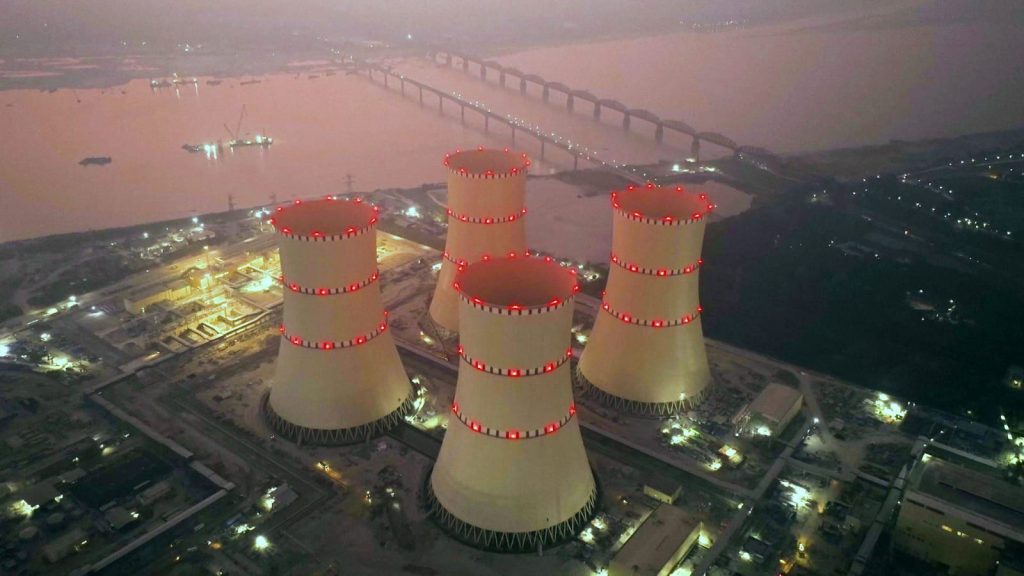
While my focus here is regional development, it is impossible to ignore the broader context. Reliable electricity underpins modern economies. By strengthening Bangladesh’s energy base, the Rooppur Nuclear Power Plant enhances the country’s overall development prospects.
For the host region, this creates opportunity. Areas linked to strategic energy infrastructure often attract ancillary industries, service providers, and research initiatives. With the right planning, Rooppur can evolve into more than a power-generating site. It can become a node in a wider energy-linked economic corridor.
Looking Ahead
From a development analyst’s perspective, the Rooppur Nuclear Power Plant represents a rare convergence of long-term planning, infrastructure investment, and human capital development. Its impact cannot be measured solely in electricity output. It must be assessed through changes in livelihoods, skills, services, and regional confidence.
Nuclear power plants are built to serve generations. Their true value emerges slowly, through sustained employment, continuous learning, and stable institutions. International experience shows that when managed responsibly, they can lift entire regions onto new development trajectories.
Rooppur appears to be at the beginning of such a journey. If current trends continue, the region’s future will be shaped not by its historical limitations but by its role in powering Bangladesh’s sustainable development. Seen through this lens, the Rooppur Nuclear Power Plant is not merely an energy project. It is a long-term blessing for the region and a case study in how infrastructure, when done right, can transform lives.
Neshat Sultana Akhi
Trainer,UCEP Bangladesh