Participation of minority voters face challenges in Feb 12 polls

Khulna Bureau :
Consultations identify persisting structural, administrative, and security-related risks, underscoring the need for additional measures to ensure equal and effective exercise of voting rights by national minority communities ahead of Bangladesh’s 2026 National Parliamentary Election.
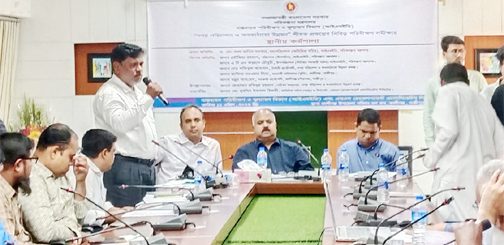
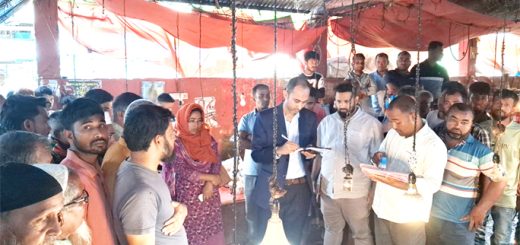
As part of its pre-election engagement, RUPSA (Rural & Urban Poor’s Partner for Social Advancement) has conducted series of constituency-level participatory consultations across 25 parliamentary constituencies in six divisions and involving more than 500 participants from religious minorities, Dalit communities, ethnic groups, tea workers, gender-diverse voters, and minority women. The findings raise concerns around persisting obstacles to inclusive participation of minorities.
“Of particular concern were reports from multiple communities on intimidation, undue influence, and vote buying, often linked to economic dependency on employers, Estate management, or local power holders,” said RUPSA spokesperson Mr.Hiranmoy Mondol. “Such practices will undermine the free expression of the will of the voters and the secrecy of the ballot, particularly among economically and socially marginalized groups,” he added.
Group-specific concerns linked to land-related political pressure affecting indigenous communities, caste-based discrimination against Dalit voters, insecurity and fear of post-election reprisals among religious minorities, and systematic barriers faced by gender-diverse voters, including documentation mismatches and lack of privacy at polling stations. Minority women informed about intersectional barriers, including restrictions on mobility, limited political autonomy, and heightened fear of harassment.
The consultations also highlighted unequal access to voter education, including limited electoral information in minority and indigenous languages. Low awareness of electoral procedures and complaint mechanisms was noted across communities, increasing reliance on informal intermediaries and heightening risks of misinformation and manipulation. The voter registration process was also highlighted as problematic, especially among displaced persons, landless communities, tea workers, and gender-diverse voters, raising concerns about potential disenfranchisement.