News Analysis: Party alleges cyber sabotage as rivals question credibility; police probe launched

Editorial Desk :
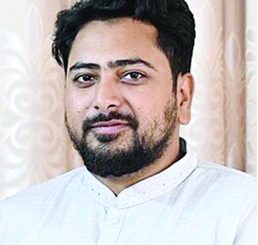
Bangladesh Jamaat-e-Islami has claimed that the phone and X (formerly Twitter) account of its Ameer, Dr Shafiqur Rahman, were hacked following the appearance of controversial posts that triggered nationwide backlash and online protests.
Jamaat leaders said unknown hackers gained temporary access to the device or account and uploaded content that “does not reflect the party’s views.”
The party confirmed it and has filed a general diary with police and taken emergency cybersecurity measures, including changing passwords and securing linked devices.
The incident immediately drew political fire. Bangladesh Nationalist Party questioned Jamaat’s explanation, suggesting the hacking claim emerged only after public criticism intensified.
BNP figures called for a transparent investigation, saying voters deserve clarity on whether the posts resulted in from a genuine cyber breach or internal failure.
Jamaat, however, maintains that the episode was a deliberate attempt to damage its reputation during a sensitive pre-election period.
Party officials described the incident as “digital sabotage” and warned of coordinated efforts to manipulate public perception through social media.
Cybersecurity analysts say the controversy highlights a growing vulnerability in Bangladesh’s political arena, where hacked accounts and online misinformation can rapidly shape national debate.
With campaigns increasingly fought in digital spaces, the line between cybercrime and political strategy is becoming harder to distinguish.
Police sources said preliminary inquiries are under way, while Jamaat has pledged full cooperation.
As investigations continue, the episode raises urgent questions about digital accountability, political transparency, and the security of platforms now central to democratic engagement.
In a recent interview with Al Jazeera, Rahman stated that a woman could never become the chief of Jamaat-e-Islami, arguing that men and women have “distinct natures” determined by religion and biology.
When pressed on female leadership, he said it was “not possible,” framing the party’s position as rooted in religious interpretation.
The remarks quickly circulated across Bangladeshi media and social platforms, drawing criticism from civil society groups, women’s rights advocates, and opposition voices, who say the comments underscore fears of a more conservative social agenda should Islamist parties gain influence.