From 1996 to 2025: Cricket Teams Refused to Play ICC Events

Kamal Hossain Bablu :
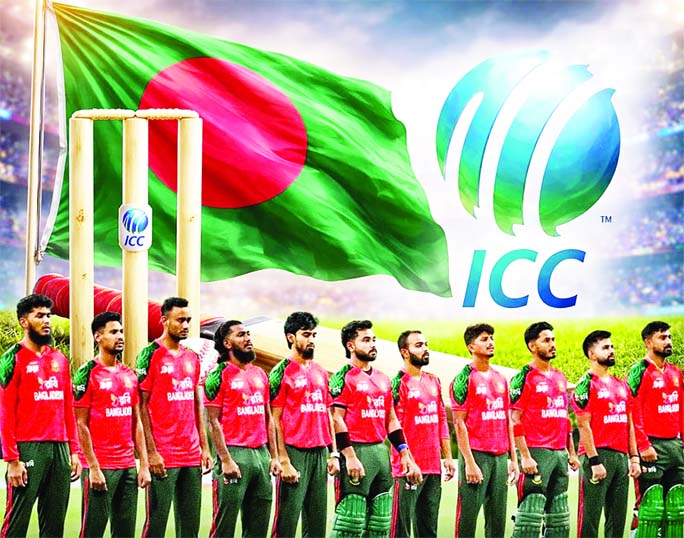
Bangladesh has pulled out of the T20 World Cup in India over security concerns, but this is not the first such incident in World Cup history.
In the past, several major teams have refused to play in certain countries citing safety and security issues.
From the 1996 Colombo boycott to England’s refusal to play in Zimbabwe in 2003, Zimbabwe’s withdrawal in 2009 and India playing at a neutral venue in 2025, cricket history shows multiple instances of teams skipping ICC events.
2025: The BCB has pointed to the 2025 Champions Trophy hybrid model – where India played their matches in the United Arab Emirates – as a precedent for their request, though the ICC remains unmoved.
2022: New Zealand’s Under-19 cricket team withdrew from a tournament in the West Indies due to strict COVID-19 quarantine rules for minors, leading to Scotland being named as their replacement.
2016 Under-19 World Cup: Australia refused to travel to Bangladesh due to security concerns.
2009: While not a mid-event refusal, Zimbabwe withdrew from the 2009 T20 World Cup after the UK government denied visas to their players, citing political tensions.
2003 World Cup: England refused to play in Zimbabwe during the tournament, which was co-hosted by South Africa, Zimbabwe and Kenya.
Citing terror threats in Nairobi, New Zealand also forfeited their match against Kenya – a decision that famously propelled the associate nation into the World Cup semi-finals.
1996 World Cup: Australia and the West Indies refused to play in Sri Lanka following a major bombing in Colombo, resulting in historic walkovers for the hosts.
The West Indies also declined their scheduled fixture in Colombo, allowing Sri Lanka to qualify for the quarter-finals without playing a match, even though the final of that World Cup was held in Lahore, Pakistan.
However, if Bangladesh does not participate in the World Cup, it will face a significant financial loss.
By playing in the tournament, teams receive substantial revenue through participation fees, match winnings and bonuses for advancing beyond the group stage.
If Bangladesh boycotts the World Cup, it could be deprived of several crores of taka in income.
Moreover, if the ICC determines that Bangladesh’s security-related claims are unreasonable or not supported by proper documentation, the BCB could face a fine of at least US$2 million (around Tk24 crore).