Development projects stall as ADP implementation falls apart

Business Report :
Bangladesh’s Annual Development Programme (ADP) continues to face slow implementation despite rising budgets and ambitious targets. Poor project design and a lack of skilled project directors are key problems.
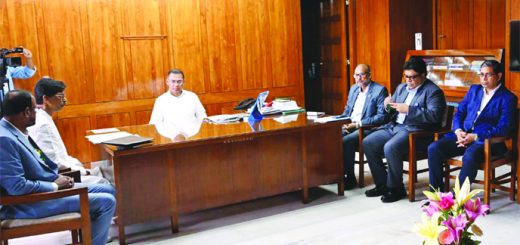
The Ministry of Planning admitted these issues at an inter-ministerial meeting chaired by Planning Adviser Dr Wahiduddin Mahmud. Officials said institutional weaknesses are holding back the country’s development goals and undermining the impact of public investment.
Inadequate feasibility studies, delays in land acquisition, and weak oversight remain major hurdles. The shortage of project directors (PDs) in ministries such as Health and Education is critical. Many capable officials avoid PD roles because of heavy accountability, limited incentives, and low recognition. This contributes to poor performance in sectors vital to human development, such as education, health, and infrastructure.
The government plans to appoint PDs for large foreign-funded projects on lien or deputation. The Planning Commission also proposed reforms, including a dedicated PD pool, certification programmes, clear recruitment policies, and performance-based rewards to professionalise the role. These steps aim to attract skilled personnel and strengthen accountability in project management.
Weak feasibility studies lead to unrealistic goals, frequent revisions, and escalating costs. The Commission recommended mandatory independent peer reviews and professional involvement. Assessments must cover risks, demand forecasts, environmental and social impacts, and market analyses to ensure projects are practical and sustainable.
Land acquisition and utility relocation delays continue to stall projects. The Commission suggested preparatory projects focused on land, permits, and clearances before main projects begin. These measures require strong coordination, inter-agency collaboration, and political will.
Climate-responsive Development Project Proposals (DPPs) are needed. Future projects should include environmental risk assessments, adaptation strategies, and alignment with national and international research. These steps are critical as Bangladesh faces growing climate vulnerabilities.
Monitoring and evaluation also remain weak. The Implementation Monitoring and Evaluation Division (IMED) produces reviews, but ministries often ignore recommendations. Expanding IMED offices to districts and divisions and making ministry responses mandatory could improve accountability and ensure corrective actions are implemented promptly.
ADP performance has declined. In the last fiscal year, the Revised ADP (RADP) implementation rate fell to 67.85 percent, the lowest in over a decade. Health and Education sectors underperformed. The Health Education and Family Welfare Division spent only 15.36 percent of its allocation, while Health Services used 21.74 percent. The Primary and Mass Education Ministry left Tk16.1 billion unspent, reflecting inefficiency in delivering essential services.
Experts say this shows a persistent mismatch between policy goals and bureaucratic capacity. Increased allocations have not translated into tangible outcomes. Without structural reforms, public investments risk remaining ineffective.
The Planning Commission warned that unless institutional reforms are urgently implemented, underperformance will continue. Project management must become professional and accountable. Monitoring must lead to concrete action, and feasibility assessments must be rigorous.
Without these changes, Bangladesh’s development drive will remain weak. The country risks failing to achieve sustainable and inclusive growth, undermining the social and economic foundations necessary for long-term progress.