
Philippines declares emergency after Typhoon Kalmaegi kills 114
NN ONLINE:
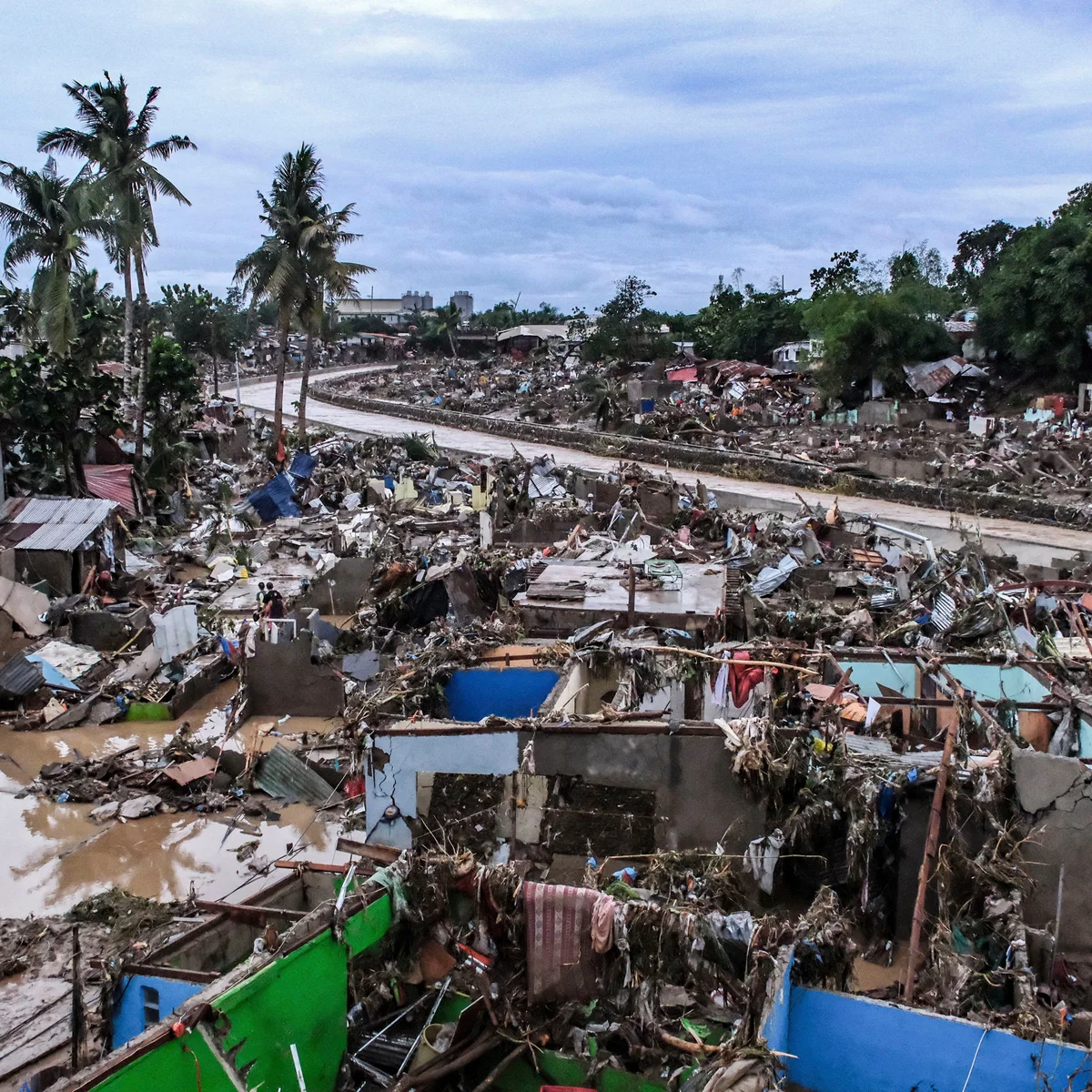
Philippine President Ferdinand Marcos Jr. on Thursday declared a state of emergency after Typhoon Kalmaegi left at least 114 people dead and hundreds missing across the country’s central provinces — the deadliest natural disaster to hit the nation this year.
Most of the deaths resulted from flash floods, while 127 people remain missing, mainly in the central province of Cebu, officials said. The powerful storm exited the Philippine archipelago on Wednesday, moving toward the South China Sea. According to the Office of Civil Defense, the typhoon affected nearly two million people and displaced more than 560,000, including about 450,000 who took refuge in emergency shelters.
President Marcos made the “state of national calamity” declaration during a meeting with disaster response officials to assess the aftermath. The order enables faster release of emergency funds and allows the government to curb food hoarding and price manipulation. Authorities warned that another tropical system forming over the Pacific could intensify into a super typhoon and threaten the northern Philippines early next week.
Among those killed in the calamity were six Philippine air force personnel who died when their helicopter crashed in Agusan del Sur on Tuesday while en route to deliver humanitarian aid to typhoon-affected areas. The cause of the crash remains under investigation. Kalmaegi unleashed flash floods and caused rivers to overflow in Cebu, submerging homes and forcing residents to climb onto rooftops to escape rising waters, officials said.
At least 71 deaths were reported in Cebu — mostly due to drowning — along with 65 missing and 69 injured. In nearby Negros Occidental province, another 62 people remain unaccounted for. “We did everything we could, but there were unexpected flash floods,” Cebu Governor Pamela Baricuatro told The Associated Press, adding that years of quarrying and faulty flood control projects may have worsened the situation.
Public outrage has grown in recent months over a corruption scandal involving substandard or nonexistent flood control works across the country.
Cebu was still reeling from a 6.9 magnitude earthquake on September 30 that killed at least 79 people and displaced thousands. Many quake victims housed in fragile tents were moved to sturdier shelters before the typhoon struck, which helped prevent further casualties, the governor said. Meanwhile, the coast guard barred ferries and fishing vessels from sailing due to rough seas, stranding more than 3,500 passengers and cargo drivers at nearly 100 seaports. At least 186 domestic flights were also canceled.
The Philippines faces an average of 20 typhoons and storms annually, along with frequent earthquakes and volcanic activity, making it one of the world’s most disaster-prone nations.