
Pak FM's Dhaka Dialogue: Pacts signed, history unsettled
Diplomatic Correspondent :
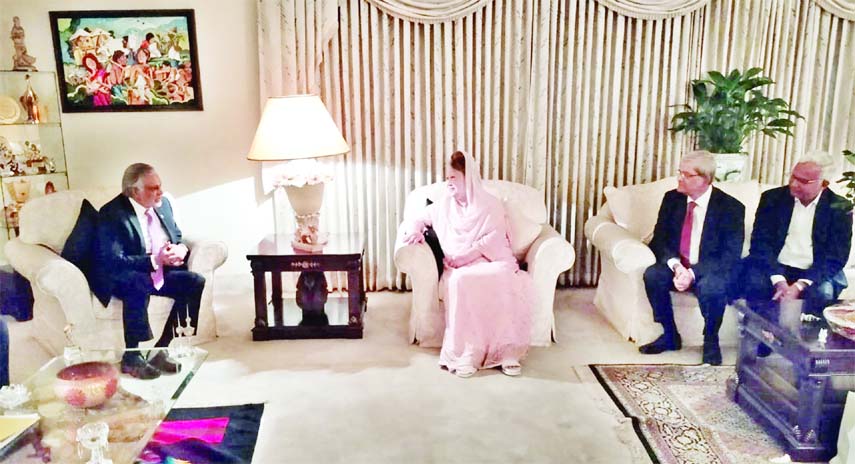
# Dar meets Chief Adviser, Khaleda Zia
# Knowledge Corridor launched with 500 scholarships for BD students
Bangladesh and Pakistan on Sunday signed one agreement and five memorandums of understanding (MoUs) aimed at strengthening bilateral cooperation, though differences over the legacy of 1971 resurfaced during high-level talks in Dhaka.
The agreement allows visa-free entry for holders of diplomatic and official passports, while the MoUs cover trade and commerce, media cooperation between Bangladesh Sangbad Sangstha (BSS) and the Associated Press of Pakistan (APP), collaboration between the two countries’ foreign service academies, links between the Bangladesh Institute of International and Strategic Studies and its Pakistani counterpart, and a cultural exchange framework to boost people-to-people contacts.
Foreign Affairs Adviser Md Touhid Hossain described the signing as a positive step towards cooperation but stressed that historical issues must still be addressed. “Our two countries have differences, but we also have many areas of potential collaboration. We agreed that historical questions should be resolved through dialogue. They cannot be ignored, but neither should they prevent us from exploring opportunities for trade, cultural exchange, and closer engagement,” he said.
At a press briefing, Pakistan’s Deputy Prime Minister and Foreign Minister Ishaq Dar claimed that the issue of an official apology for the events of 1971 had already been resolved twice, first in 1974 and later during President Pervez Musharraf’s visit in the early 2000s. He maintained that Musharraf had apologised on behalf of the Pakistani nation and urged both countries to “go ahead and deepen our relationship.”
Adviser Hossain, however, firmly rejected this interpretation, reiterating that Bangladesh regards the matter as unresolved. He emphasised the need for a clear and formal apology, as well as fair settlement of outstanding issues including division of assets and the repatriation of stranded Pakistanis. “We have made it clear that these questions remain pending,” he told journalists.
Despite the differences, the talks were conducted “in a spirit of warmth and goodwill,” according to a Foreign Ministry statement. Both sides discussed a wide range of bilateral, regional and international issues, reaffirming their commitment to expanding cooperation in trade, investment, education, health, agriculture, connectivity, culture, tourism and disaster management.
Pakistan announced the launch of a “Pakistan-Bangladesh Knowledge Corridor” offering 500 scholarships for Bangladeshi students over the next five years, alongside offers of advanced medical treatment, sports training and expanded connectivity.
Bangladesh sought Pakistan’s support for the safe repatriation of Rohingya refugees to Myanmar. Both sides also jointly condemned the humanitarian crisis in Gaza and called for an immediate ceasefire.
Dar’s two-day visit included meetings with Chief Adviser Professor Muhammad Yunus, BNP Chairperson Khaleda Zia, and Jamaat-e-Islami Ameer Dr Shafiqur Rahman. Political observers noted that the outreach to opposition leaders added a new dimension to the trip.
The meeting concluded with both countries expressing hope for stronger bilateral ties. Dar extended an invitation to Adviser Hossain to visit Islamabad, signalling an intention to maintain dialogue despite unresolved historical differences.