
Banking through innovation, inclusion and digital excellence
Md. Touhidul Alam Khan, PhD :
Bangladesh’s banking sector is experiencing a transformative phase, driven by rapidly evolving technology trends and the urgent need for modernization.
Industry experts and global thought leaders emphasize that embracing innovation is no longer optional-it is essential for banks seeking to stay competitive and relevant in a digital age.
As the country’s financial institutions stand at this critical juncture, the future promises a dynamic landscape rooted in technology, inclusivity, and customer-centricity.
The shift toward digital-first banking
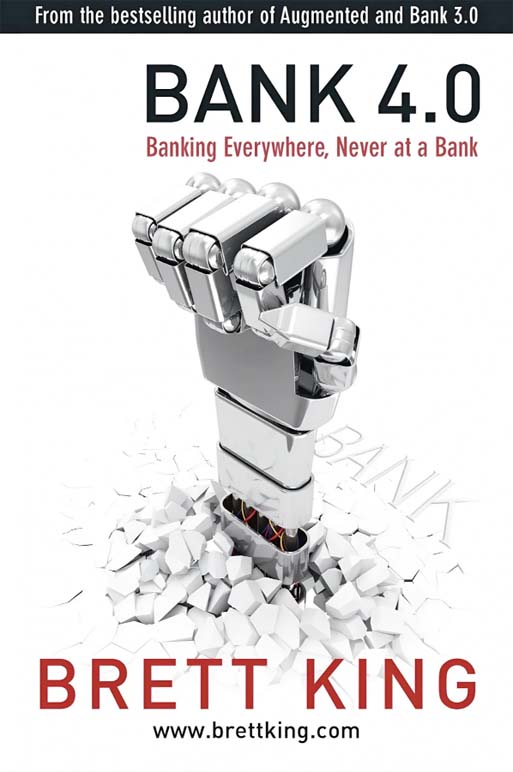
Recent insights from a renowned futurist and fintech authority Brett King highlight the widening divide between traditional banks and emerging fintech firms.
This gap is fueled by advancements in artificial intelligence (AI), automation, and real-time digital engagement. For Bangladeshi banks, the message is clear: to thrive, they must evolve beyond legacy systems and adopt the principles of Bank 5.0. This future-oriented model emphasizes seamless digital infrastructure, hyper-personalized services, and technologies that put customer experience at the forefront.
Recently, during his address to the banking community in Bangladesh, Brett King highlighted the crucial need for adopting AI and emerging technologies immediately, reaffirming that banking is fundamentally a technology-driven industry.
He emphasized a key point: “Bangladesh has an incredible opportunity right now to integrate AI into banking. Today’s banking landscape is no longer just about traditional services; it is shaping into a technology-centric industry.”
His message underscores the urgent necessity for local banks to harness technological advancements in order to remain competitive on a global scale. Brett King is a globally acclaimed futurist, speaker, international bestselling author, and media personality known for his insights into the future of business, technology, and society.
Strategic collaborations and digital partnerships
The recent industry event underscored the significance of strategic alliances between fintech firms and traditional banks. Leading domestic banks are now exploring collaborations with technology providers to accelerate their digital transformation journeys.
These partnerships aim to upgrade core banking platforms, introduce intelligent payment systems, and develop new products like digital micro-loans to promote financial inclusion.
For example, through partnerships with fintech innovators, Bangladeshi banks are poised to deploy comprehensive digital onboarding tools that simplify account opening, making banking accessible to rural populations and underserved communities. Such initiatives will reduce operational costs, enhance customer experience, and extend banking services to a broader audience.
The roadmap for future digital banking initiatives
Looking ahead, Bangladeshi banks are likely to invest heavily in several key areas to ensure they remain at the forefront of digital banking:
# Automation and AI Integration: Automating routine processes such as customer verification, credit scoring, and transaction monitoring will enhance efficiency and security. AI-powered chatbots and virtual assistants will provide 24/7 customer support, streamlining service delivery.
# Innovative financial products: The introduction of Digital Nano Loans, tailored micro-credit offerings, will empower small entrepreneurs and low-income households, fostering economic inclusivity. Additionally, digital insurance products and investment platforms will diversify service portfolios.
# Enhanced digital infrastructure: Upgrading digital platforms like mobile banking apps, internet banking portals, and APIs will facilitate seamless integration with third-party services, enabling a more flexible and interconnected financial ecosystem.
# Data-driven personalization: Harnessing data analytics will allow banks to offer highly personalized financial advice, targeted promotions, and proactive risk management, thereby strengthening customer loyalty.
# Focus on sustainability and green finance: Recognizing the global emphasis on climate and sustainability, future banking strategies will incorporate green financing options, renewable energy investments, and climate-resilient financial products.
Brett King’s message: A call to action
Throughout his address, Brett King emphasized the importance of technological adaptation, warning that the banking landscape is fast approaching a point where humans will no longer run banks-“humans will not run banks in the next 30 years,” he stated. His message was clear: “There are two types of people today-those using AI and learning to use AI better, and those waiting to be replaced by the first type.”
He highlighted that the future is written with automation and AI at its core, urging Bangladeshi banks to seize this opportunity before falling behind.
He further remarked, “Perhaps you will see visual news created by AI in the future, indistinguishable from the original. By 2035, there will be more robots than humans.” Such insights serve as a wake-up call for the financial sector in Bangladesh to prioritize digital innovation and stay ahead of the curve.
Embracing a future-ready banking ecosystem
The future of banking in Bangladesh is not merely about adopting new technologies; it’s about fundamentally rethinking how financial services can better serve society. With a young, digitally-savvy population eager for innovative solutions, Bangladeshi banks have a unique opportunity to lead regional efforts in digital transformation.
The government and regulatory bodies will play a crucial role by creating supportive policies, fostering innovation hubs, and ensuring robust cybersecurity frameworks. Simultaneously, banks must prioritize capacity-building, staff training, and change management to fully realize their digital ambitions.
A vision for transformative growth
As the country moves forward, Bangladeshi banks are being called upon to embrace a future where technology and human ingenuity combine to create a more inclusive, efficient, and resilient financial system. Initiatives like digital payments, AI-driven services, and strategic partnerships exemplify how the sector is paving the way for this transformation.
With sustained effort, innovation, and collaboration, Bangladesh’s banking industry can emerge as a regional leader, exemplifying how technology-driven banking can foster economic growth, social development, and financial inclusion. The road ahead is promising – one that leads toward a smarter, more sustainable, and customer-focused banking ecosystem that meets the needs of the next generation.
Brett King’s compelling message serves as a catalyst, reminding industry stakeholders that the time to act is now. Embracing this digital revolution will not only enhance operational efficiency but also redefine the very essence of banking-turning it into a catalyst for economic empowerment and societal progress in Bangladesh.
As the nation moves forward, the future of banking will be written by those who dare to innovate, adapt, and lead with a vision for tomorrow. The possibilities are vast, and the opportunities are in front of Bangladesh’s financial sector-time to gear up for a new era of banking excellence.
(The writer is Managing Director and CEO of NRBC Bank PLC. This write-up is based on insights gained from attending the “Bankers Meet,” where Brett King delivered the keynote paper in Bangladesh on August 14, 2025).