Dhaka rejects weak ‘Global Plastics Treaty’ draft, demands stronger action

NN Online:
Bangladesh has rejected the latest draft of the proposed Global Plastics Treaty, urging negotiators to adopt far stronger measures to combat plastic pollution.
The Ministry of Environment, Forest and Climate Change said the draft falls far short of the United Nations Environment Assembly’s (UNEA) Resolution 5/14 mandate for a binding global instrument to end plastic pollution.
Dhaka made its stance clear during the second segment of the fifth session of the Intergovernmental Negotiating Committee on Plastic Pollution (INC-5.2), held Wednesday at the Palais des Nations in Geneva, Switzerland.
According to a ministry statement issued Thursday, the draft “represents a weak and inadequate outcome” by excluding supply-side measures and ignoring the full life cycle of plastics. It fails to address health impacts, hazardous chemicals, or the waste hierarchy, and imposes no binding obligations to tackle transboundary plastic pollution.
The ministry criticised the draft’s reliance on a “convoluted and voluntary approach” instead of providing reliable means of implementation, saying it overlooks the urgency of the global plastics crisis.
Bangladesh stressed that any meaningful treaty must target harmful chemicals in plastics—strongly linked to health risks—and curb emissions and primary plastic production, given their life-cycle impacts.
“This text does little to protect human health or the environment,” the ministry stated. “It reduces the treaty to a waste management framework, shifting responsibility away from producers and omitting binding measures to phase out the most harmful plastic products.”
Dhaka reaffirmed it will not support the treaty without substantial amendments and called for a significant increase in ambition, consistent with the UNEA mandate.
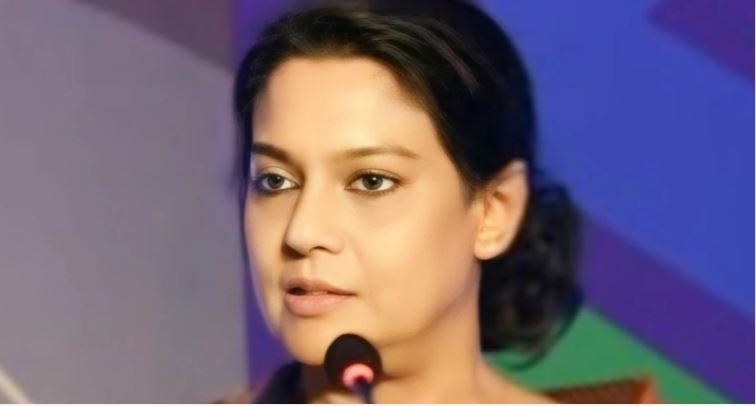
Earlier, Syeda Rizwana Hasan, Adviser to the Ministries of Environment and Water Resources, addressed an Informal Ministerial Roundtable at INC-5.2, urging stronger global partnerships and targeted resources to fight plastic pollution.
Highlighting Bangladesh’s vulnerability as a downstream country, she pressed for a global framework to address transboundary pollution, promote circular economy models, plug waste management leakages, foster sustainable product design, and ensure a just transition for waste workers.
She emphasised the environmental and health threats of plastics and called for ambitious, cooperative action to phase out harmful products through institutionalised global cooperation.