
No will to end corruption
Staff Reporter :
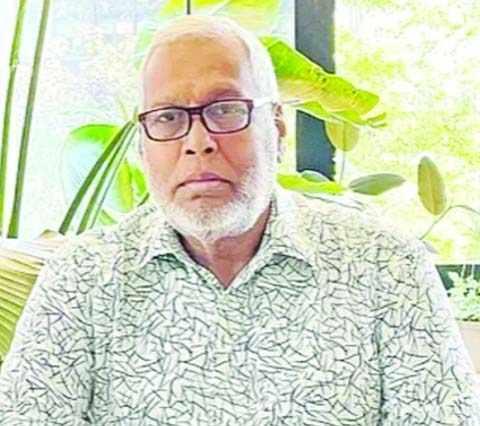
Power, Energy and Mineral Resources Adviser Dr Fouzul Kabir Khan delivered a candid critique of governance in Bangladesh on Saturday, asserting that neither political leaders nor senior bureaucrats appear genuinely committed to ending corruption.
Speaking as the chief guest at a seminar on the national budget organised by the Bangladesh Economic Association (BEA) at the CIRDAP auditorium in Dhaka, Dr Kabir identified corruption, inefficiency, and wasteful expenditure as the principal barriers to economic development.
“The scale of wastage in Bangladesh is immense,” he said, pointing to widespread mismanagement in public projects.
As an example, he cited the construction of a power plant situated six kilometres from its necessary water source-allegedly to serve the interests of a former minister. “We have seen unnecessary roads being built and systemic misuse of state resources,” he added.
The event was chaired by economist Professor Mahbub Ullah and attended by a wide range of economists and development experts from across the country.
Presenting the perspective of the interim administration, Dr Kabir stressed the government’s intention to uphold ethical governance practices. “We aim to set a precedent by refraining from appointing relatives or offering business favours. This should serve as a model for future governments,” he said.
Turning to the energy sector, the adviser acknowledged growing challenges stemming from the depletion of domestic natural gas reserves, which has led to increased reliance on imported liquefied natural gas (LNG) and the need for substantial government subsidies. In response, the administration is accelerating efforts to expand renewable energy sources.
“We’ve begun installing solar power systems on all government buildings, enabling the electricity generated to be fed into the national grid,” Dr Kabir noted. He also urged greater private sector involvement, suggesting that rooftop solar installations in the private sector could contribute up to 2,000 megawatts to the country’s electricity supply.
In a separate address, Helal Uddin, Member Secretary of the BEA, stated that the association aims to foster inclusive and constructive economic discourse.
“This platform will become a hub for alternative economic thinking and debate-without representing any particular political or institutional interest,” he affirmed.
The seminar highlighted both the challenges and potential solutions in Bangladesh’s economic and energy policy landscape, while underscoring the interim government’s stated commitment to reform and transparency.