
UK assists Bangladesh in Tulip corruption probe
Staff Reporter :
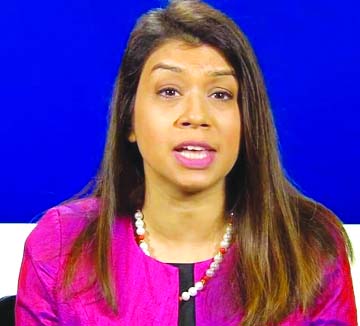
UK officers have travelled to Dhaka to assist local authorities in investigating claims that the former Economic Secretary to the Treasury, Tulip Siddiq, benefited from a controversial nuclear power plant deal, according to The Telegraph.
Siddiq is accused of receiving undue advantages through her aunt, Sheikh Hasina, the former Prime Minister of Bangladesh, who was removed from power last year after a 15-year tenure.
The Labour MP stepped down from the frontbench last month following an inquiry by Sir Keir Starmer’s ethics adviser, which found she had unintentionally misled the public regarding the controversy.
Siddiq, who was responsible for anti-corruption efforts as a Treasury minister, voluntarily referred herself for scrutiny after facing prolonged questions about her connections to London properties linked to her aunt’s political party.
Bangladesh’s Anti-Corruption Commission is currently investigating Siddiq, Hasina, and other family members over allegations of embezzling £3.9 billion related to a Russian-financed nuclear power project.
New details have emerged regarding British police involvement in the case.
The National Crime Agency (NCA) first visited Bangladesh in October last year to assist the government in tracing billions allegedly misappropriated by Hasina and her associates.
Reports suggest that officers have offered support to Bangladeshi authorities in the hope of facilitating a prosecution.
Sources in Bangladesh told The Mail on Sunday that the NCA’s involvement raises the possibility that UK officials may be gathering evidence for a potential criminal case against the Hampstead and Highgate MP.
During their meetings, the NCA team reportedly inquired specifically about Siddiq. However, she has denied any wrongdoing.
As one of the UK’s key agencies handling international bribery and corruption cases, the NCA has the authority to investigate individuals suspected of laundering money from political corruption abroad, as well as bribery and corruption involving UK nationals.
Sheikh Hasina, 77, is currently in India after being ousted last August amid violent protests. During her rule, political opponents faced attacks, arrests, and secret detentions, with the regime allegedly engaging in extrajudicial killings. Hasina and her allies are also accused of siphoning billions from Bangladesh.
Since her removal, Bangladesh’s Anti-Money Laundering Agency has instructed major banks to provide details on Siddiq’s financial transactions within the country.
Authorities have requested banking records for Siddiq and six of her family members, including her mother, sister, and brother.
A spokesperson for Siddiq stated, “There is absolutely no evidence to support these allegations. Tulip Siddiq has not been contacted regarding this matter and categorically refutes the claims.”
An NCA representative commented, “We do not routinely disclose details of international assistance, nor confirm or deny whether the agency is conducting an investigation or supporting a partner organisation.”
A senior Anti-Corruption Commission official told The Telegraph, “The investigation into Tulip Siddiq remains in its early stages, but we are actively exploring multiple angles.
We are examining potential links between her and the acquisition of properties through illicit means in Bangladesh, her associations with corrupt businessmen, and any ties to money allegedly laundered from Bangladesh.”
Ahsan Mansur, Governor of Bangladesh’s Central Bank, said: “We highly appreciate the British Government’s support and the assistance of international investigative agencies in our mission to track down the billions of dollars illicitly transferred from Bangladesh to the UK and other countries.
Recovering these funds is a top priority, and we are relying on global cooperation to ensure the money is returned. We have already initiated outreach efforts with multiple governments and international organisations to address this issue directly.”
“The UK has been working with us on this matter, and our next step is to identify the properties and bank accounts where the laundered money has been stored across different countries, including the United Kingdom.
We are committed to taking decisive action to recover these assets and hold those responsible accountable.”