A skilled, experienced admin necessary for the dev of the country

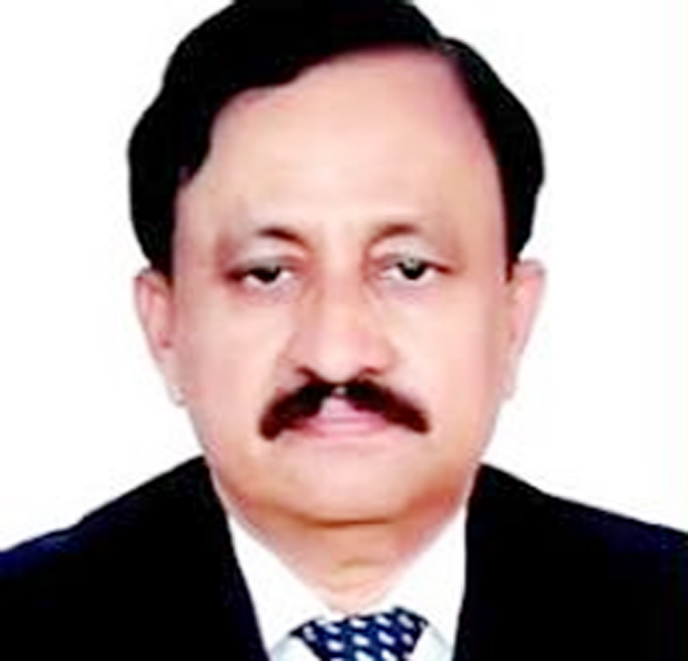
Dr. SM Jahangir Alam :
It is very important to build a skilled and experienced administrative system for the overall development of the country. And this must be done from the lowest level to the highest level. If the administrative system is weak and inefficient, the development of the country becomes impossible. It is especially important for all cadres of civil service officers to be skilled and talented. Once upon a time, CSP officers used to become officers in a competitive examination. Currently, they are appointed in the BCS cadre in the same examination. Most of the officers of the administration cadre are not of the first-class merit in the combined merit list of the Public Service Commission. Most of the more talented and skilled are joining the specialized cadre. Therefore, the traditional mentality of officers of one cadre controlling all other important cadres needs to end.
In the Bangladesh Secretariat, senior posts from Deputy Secretary to BCS cadre are for skilled and talented people. However, most of the posts are filled by general officers of a special cadre. As a result, there is a problem in determining and implementing policies for specialized work in the ministries. It is necessary to promote all BCS cadres from Grade-5 to Joint Secretary through examination, all BCS cadres from Grade 4/5 to Additional Secretary, and all BCS cadres from Grade 3/2 to Secretary. Along with this, it is also necessary to make all cadres full secretaries at Grade-1. Basically, starting from the Cabinet Secretary, there is a need to have skilled and experienced people in all departments. The post of Chairman is also very important in the National Board of Revenue. There is a need to have a skilled, experienced economist here. But since that is not the case, there is a revenue deficit. The amount of this deficit is increasing every year. Not only the Chairman, but every important post requires experienced, honest and dedicated people.
The administrative structure of Bangladesh is a complex and extensive system, where various types of cadre officers work under 26 cadres. Cadres can mainly be divided into two parts: professional or technical cadre and general administrative or generalist cadre. Professional cadres are generally composed of officers of specialist professions such as doctors, engineers, agriculturists, etc., while generalist cadre officers perform general administration and policy management duties. There is a need for both types of services in public administration management. However, in recent times, there has been an increasing trend of professional cadre officers in Bangladesh leaving their original field of work to go to administrative work.
When professional cadre officers in Bangladesh change their careers from technical services (such as engineering, medicine, agriculture) to general administration or administrative cadres, it can be harmful to the state in various ways. Such transfers are not only a waste of the skills of the individual officer, but also have a negative impact on the stability of the entire system, service delivery and proper implementation of development projects. Now let us see what significant losses the state can incur as a result.
Waste of acquired experience and skills
A professional cadre officer usually acquires expertise in a specific technical field over a long period of time during his education and career. Professional/technical officers spend a large part of their education in acquiring specialist knowledge. But when they are transferred to general administration, those special skills are no longer directly useful. For example, when a doctor moves to administrative duties, he/she moves away from the developmental work of healthcare such as hospital management, implementation of health policies, etc. As a result, his/her experience and skills in the healthcare sector are hampered and the necessary development of that sector is hampered. The absence of such a specialist doctor in the health sector means that someone less experienced is taking over the responsibility of that sector; which creates a waste of state resources and the possibility of inadequate services for the people.
Slow pace and incompetent leadership in policy adoption and implementation
Officials with technical expertise play an important role in advising and formulating effective policies in their sectors. A professional officer has a deep understanding of the problems, challenges and prospects of the sector in which he is working. When he leaves his specialized work and does administrative work, it becomes difficult to take new effective decisions due to lack of experience in that sector. For example, the Padma Bridge or the Rooppur Nuclear Power Project, are highly dependent on technical skills. If a large part of the engineers are interested in general administration, there will be a lack of leadership in such projects.
Training and waste of human resources
A large part of the state resources are spent on recruiting, training and developing the skills of a professional cadre officer. After all, it takes a lot of government investment to produce an engineer or a doctor. When these officers move to general administration, their training and skills are no longer useful in that sector of the state, resulting in a waste of investment in training. For example, the expenditure incurred on providing advanced training to doctors is spent on improving the health sector. But if that doctor is engaged in administrative work, his medical training does not play any direct role in that work. This clearly creates economic waste for the state and inconsistency in the use of skilled manpower.
The tendency of professional cadre officers to move from technical services to general administration is a significant problem for the overall development and state capacity of Bangladesh. It is causing a waste of skills, talent and state resources. In this regard, the state must take effective initiatives. Along with this, professional officers must be ensured appropriate professional respect, facilities and incentives in their respective fields. It is very important to properly utilize professionals along with generalists to sustain the future development and technical capacity of the state.
The author is a former Tax Commissioner and Founding Chairman-National FF Foundation.