Ginger or turmeric: Which root is better for health?
Life Desk :
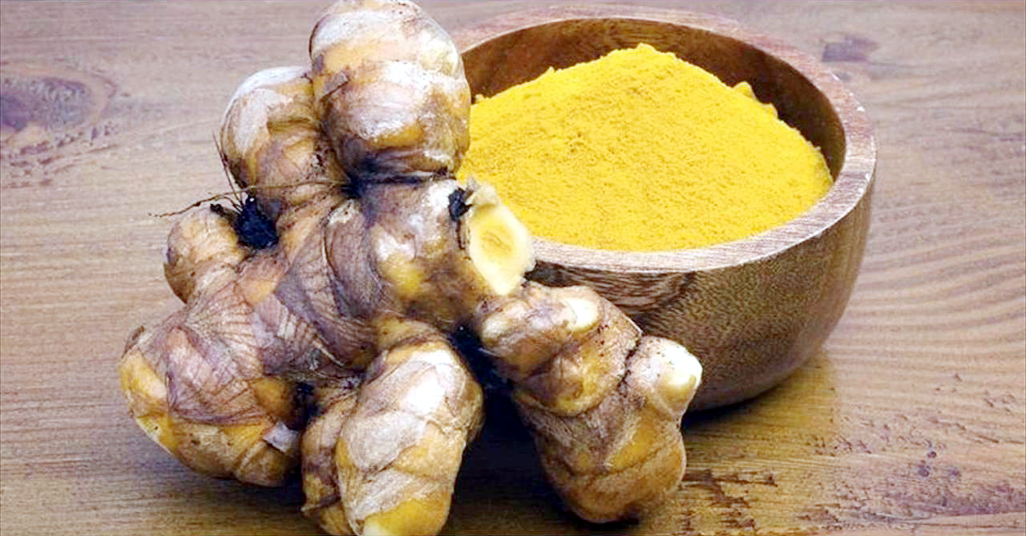
Ginger (ada) and Turmeric (haldi) have been in use since time immemorial to cure many health ailments. They both have anti- inflammatory properties and are rich in many essential nutrients.
Both, turmeric and ginger, are from Zingiberaceae family and are rhizomes. Rhizome is a stem which is modified into a root.
Let’s have a look at the two and figure which root is better for our health.
Ginger
Ginger is loaded with bioactive compounds and nutrients that are helpful for our brain and body. Ginger contains gingerol, a substance with powerful medicinal properties. It also contains magnesium, Vitamin C, Vitamin B6, phosphorus, copper, iron, calcium and zinc in small amounts.
Benefits of ginger
Ginger can treat many forms of nausea, especially morning sickness
Ginger can be helpful in reducing muscle pain and soreness
Its anti-inflammatory content can help in osteoarthritis.
Ginger can reduce the risk factors for heart disease.
It also helps in lowering down the sugar levels
Ginger has been proven to treat chronic indigestion
It reduces flatulence
Cures cold – Throat and nose congestion
Ginger can be helpful in reducing menstrual pain.
It may help in lowering the cholesterol level as well
Due to the presence of 6-gingerol, raw ginger may help in preventing cancer
It protects against Alzheimer’s disease
It is also known to improve the brain function
Gingerol, the bioactive substance in fresh ginger, can help lower the risk of infections
Improves absorption of nutrients
How to include it in your diet
To improve digestion: Mix thin slices of ginger with salt and lime juice and have it before and after your meals. Consuming this will also increase your appetite.
It can be used as a spice while cooking vegetables.
To cure cold and cough: Ginger juice along with basil leaves and honey is used to cure cough and cold.
Turmeric
Turmeric is an excellent source of iron and manganese. It is also a good source of vitamin B6, dietary fiber, copper, and potassium. Phytonutrients in turmeric include curcumin, demethoxycurcumin, tumerones, and tumenorols. Curcumin is a natural anti-inflammatory compound. Turmeric contains bioactive compounds with medicinal properties. Turmeric dramatically increases the antioxidant capacity of the body.
Curcumin is the main active ingredient in turmeric. It has powerful anti-inflammatory effects and is a very strong antioxidant.
However, the curcumin content of turmeric is not that high, it’s around 3 per cent, by weight
Benefits of turmeric in your diet:
Curcumin improves brain health by lowering the risk of brain disease.
It lowers the risk of heart disease
Turmeric can help prevent or even treat cancer
It is also helpful in treating and preventing Alzheimer’s disease.
Curcumin supplements works wonder for arthritis patients.
It is also used for treating depression
Helps to fight against age related chronic diseases
It may also help in delay ageing
It helps in healing wounds and enhances skin
It works as a liver detox
– TNN
Ginger (ada) and Turmeric (haldi) have been in use since time immemorial to cure many health ailments. They both have anti- inflammatory properties and are rich in many essential nutrients.
Both, turmeric and ginger, are from Zingiberaceae family and are rhizomes. Rhizome is a stem which is modified into a root.
Let’s have a look at the two and figure which root is better for our health.
Ginger
Ginger is loaded with bioactive compounds and nutrients that are helpful for our brain and body. Ginger contains gingerol, a substance with powerful medicinal properties. It also contains magnesium, Vitamin C, Vitamin B6, phosphorus, copper, iron, calcium and zinc in small amounts.
Benefits of ginger
Ginger can treat many forms of nausea, especially morning sickness
Ginger can be helpful in reducing muscle pain and soreness
Its anti-inflammatory content can help in osteoarthritis.
Ginger can reduce the risk factors for heart disease.
It also helps in lowering down the sugar levels
Ginger has been proven to treat chronic indigestion
It reduces flatulence
Cures cold – Throat and nose congestion
Ginger can be helpful in reducing menstrual pain.
It may help in lowering the cholesterol level as well
Due to the presence of 6-gingerol, raw ginger may help in preventing cancer
It protects against Alzheimer’s disease
It is also known to improve the brain function
Gingerol, the bioactive substance in fresh ginger, can help lower the risk of infections
Improves absorption of nutrients
How to include it in your diet
To improve digestion: Mix thin slices of ginger with salt and lime juice and have it before and after your meals. Consuming this will also increase your appetite.
It can be used as a spice while cooking vegetables.
To cure cold and cough: Ginger juice along with basil leaves and honey is used to cure cough and cold.
Turmeric
Turmeric is an excellent source of iron and manganese. It is also a good source of vitamin B6, dietary fiber, copper, and potassium. Phytonutrients in turmeric include curcumin, demethoxycurcumin, tumerones, and tumenorols. Curcumin is a natural anti-inflammatory compound. Turmeric contains bioactive compounds with medicinal properties. Turmeric dramatically increases the antioxidant capacity of the body.
Curcumin is the main active ingredient in turmeric. It has powerful anti-inflammatory effects and is a very strong antioxidant.
However, the curcumin content of turmeric is not that high, it’s around 3 per cent, by weight
Benefits of turmeric in your diet:
Curcumin improves brain health by lowering the risk of brain disease.
It lowers the risk of heart disease
Turmeric can help prevent or even treat cancer
It is also helpful in treating and preventing Alzheimer’s disease.
Curcumin supplements works wonder for arthritis patients.
It is also used for treating depression
Helps to fight against age related chronic diseases
It may also help in delay ageing
It helps in healing wounds and enhances skin
It works as a liver detox
– TNN