
22 of 35 Parties Support Caretaker Government System
NN Online:
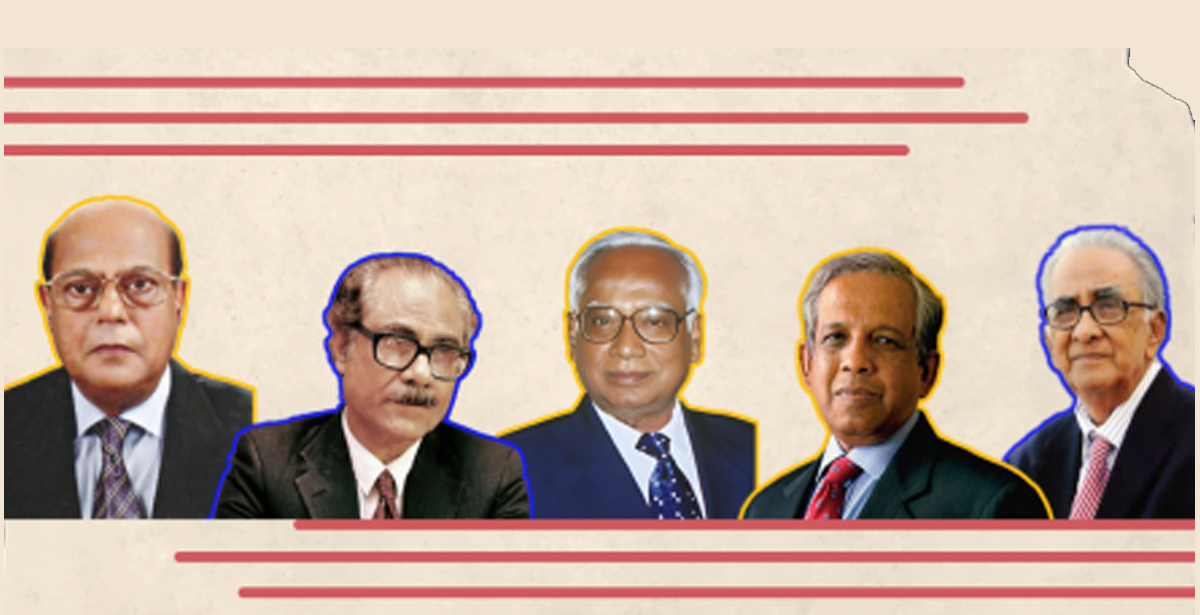
Out of 35 political parties seeking various constitutional reforms, 22 are advocating for the reinstatement of the caretaker government system, which was initially established in 1990 and enshrined in the constitution through the 13th amendment in 1996, before being abolished in 2011.
Key supporters of the caretaker system include the BNP, Jamaat-e-Islami, Jatiya Nagorik Committee, and several left-leaning parties. The BNP specifically calls for restoring the non-partisan caretaker government led by a chief adviser appointed by the president upon the dissolution of parliament.
Additional proposals include empowering the president to request international assistance for elections and limiting the caretaker government’s tenure to a few months or setting it at two years, depending on the party. The Gonoshamati Andolon suggested an interim government formed of upper house members, while Rastro Sangskar Andolon proposed a swift transition to a caretaker government after the election date is announced.
The Constitution Reform Commission has also proposed establishing a National Constitutional Council to oversee the caretaker government’s formation and operation. This council would ensure continuity even after parliamentary dissolution.
Regarding the presidency, various factions are suggesting reforms: a neutral president, limitations on holding multiple powerful positions, and provisions for electing the president by parliamentary vote. Some advocate for term limits for both the president and the prime minister, with proposals highlighting the need for transparency and reduced influence of party politics.
Overall, the discussions reflect a significant push for reforming the governance structure in Bangladesh to enhance electoral integrity and reduce executive overreach.